


Rice
Nothing beats freshly cooked rice
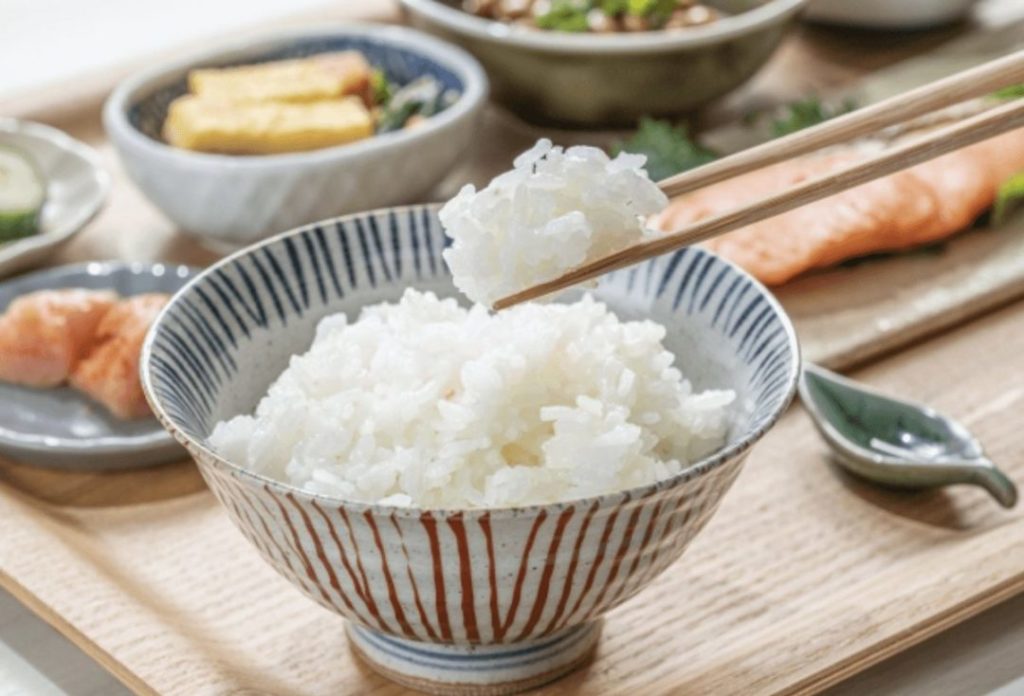
Rice is the staple food of Japanese people. Although the Japanese dining table got diversified while mixed with various cuisines from overseas, combination of rice, side dishes, and miso soup are still the basis of meals in Japan. We love the aroma of freshly cooked rice, its soft sweetness, and the feeling of chewed rice grains passing down our throat which makes us happy and feel at home.
Have a bite of the side dish, fill your mouth with rice, chew and swallow them, and then drink miso soup with a strong dashi (Japanese soup stock). It is a moment of indescribable bliss. Many of us may think to ourselves, “I’m so glad I was born Japanese!”
More information on “Miso-Soup”, see here. “Rice & Miso Soup—Basics of Japanese Food” / “Miso Soup”
More information on “Dashi”, see here. “8 Japanese Foods to Learn About” / “Dashi (Japanese Soup Stock)”
Rice is more than just food
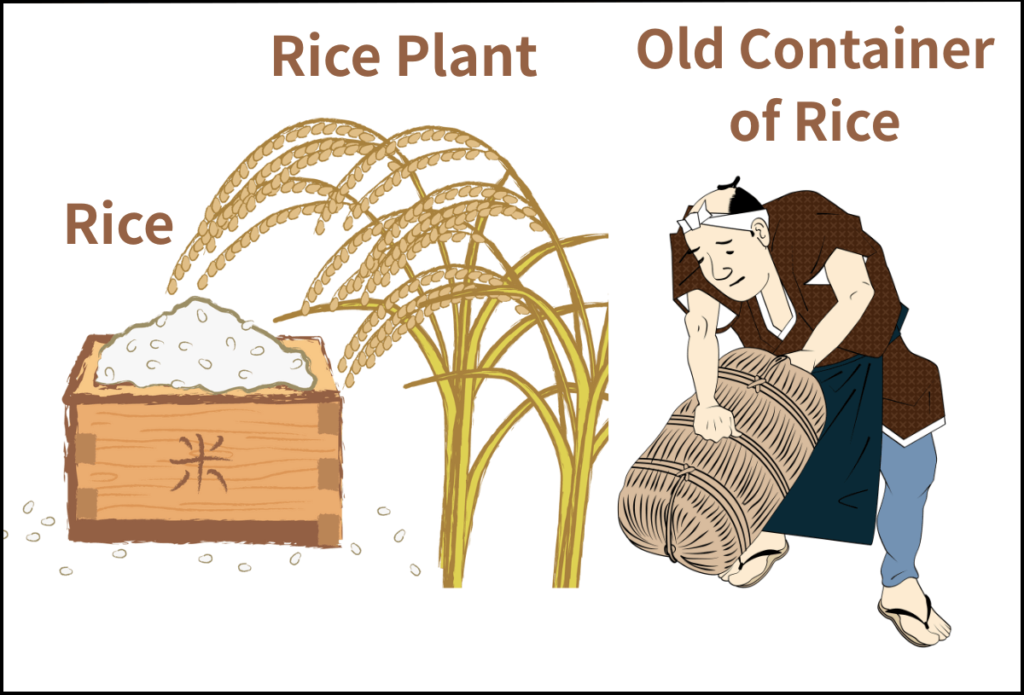
Rice is more than just food for Japanese. As early as the Asuka period (in the 7th century), rice was used as the base currency and was collected as taxes. This was because rice was nutritious, easy to store and distribute, and could be exchanged for a variety of services and goods.
Eventually, the possession of a large amount of rice became a symbol of power and wealth. The society that collects rice as taxes continued until the Edo period (until the19th century) which was special unparalleled anywhere in the world.
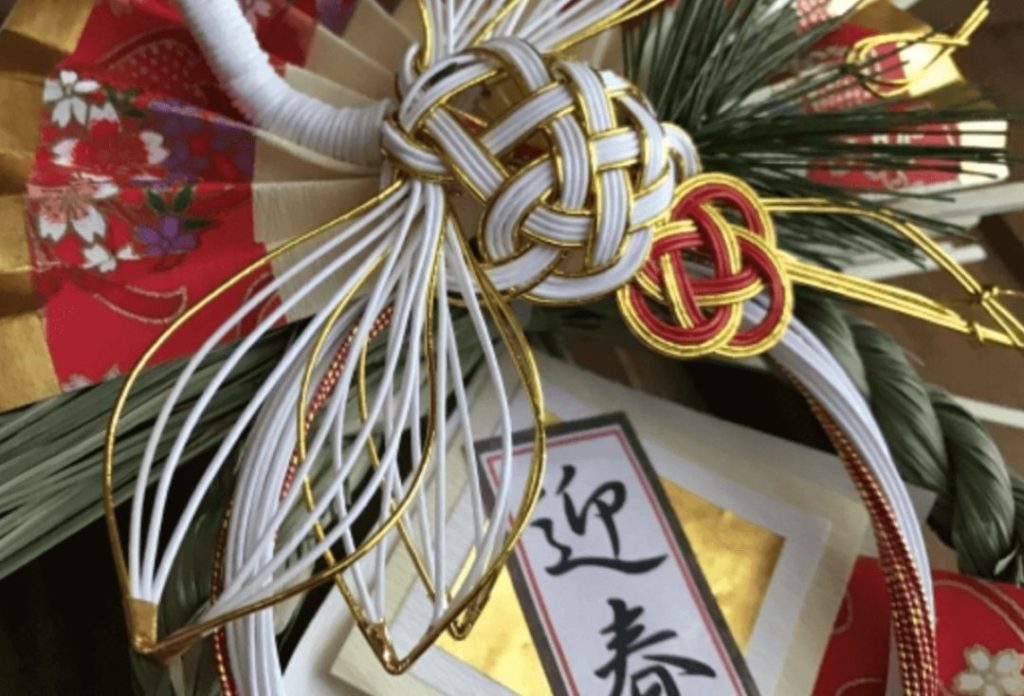
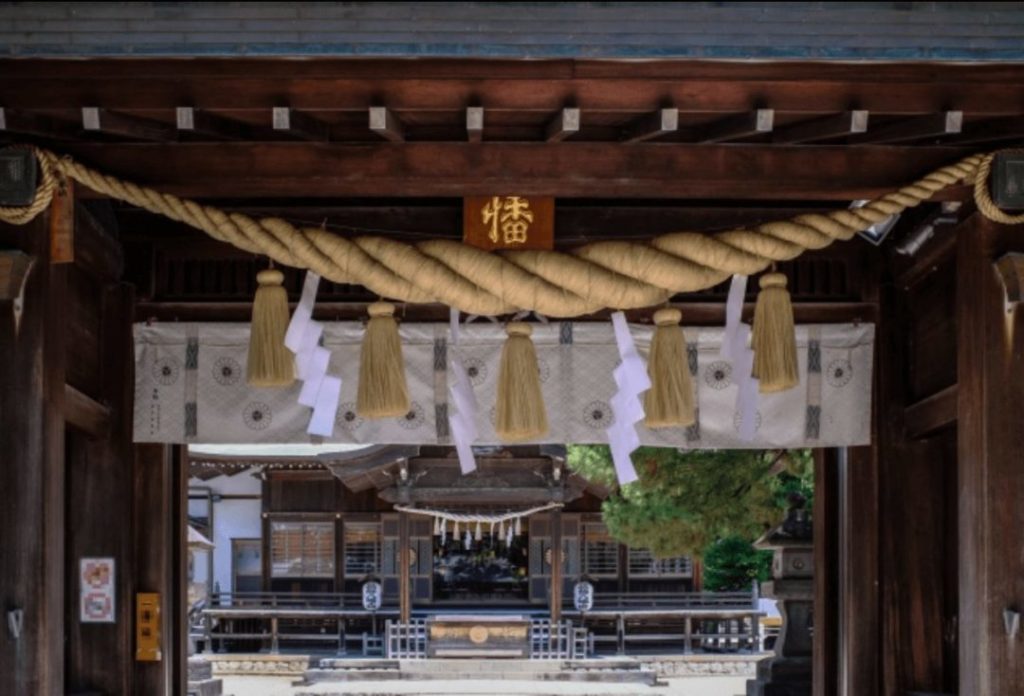
Rice is harvested out of rice plants. After the harvest, the stalks of the rice plants are dried to make rice straw. In the past, rice straw was used to make sandals, clothing, baskets, and various other daily utensils.
Even today, “Shime-kazari” (New Year’s decoration) is made of rice straw. Shime-nawa (sacred straw ropes) at shrines is also made of rice straw. Growing rice plants and harvesting rice were closely related to the daily lives of the Japanese people. The photo above shows a shime-kazari, and the photo below shows a shime-nawa.
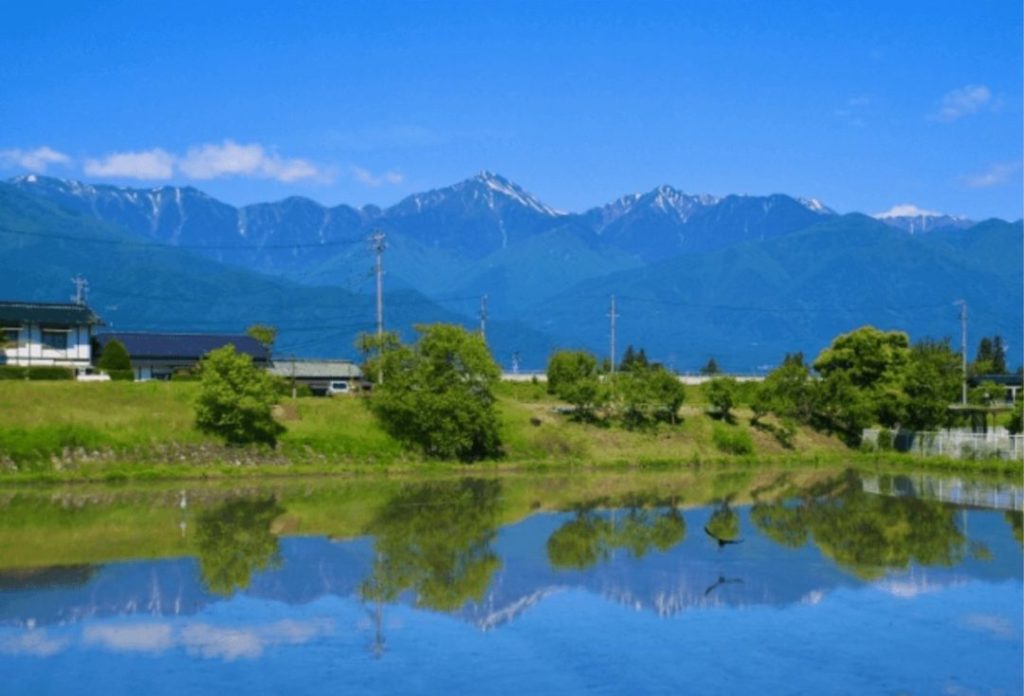
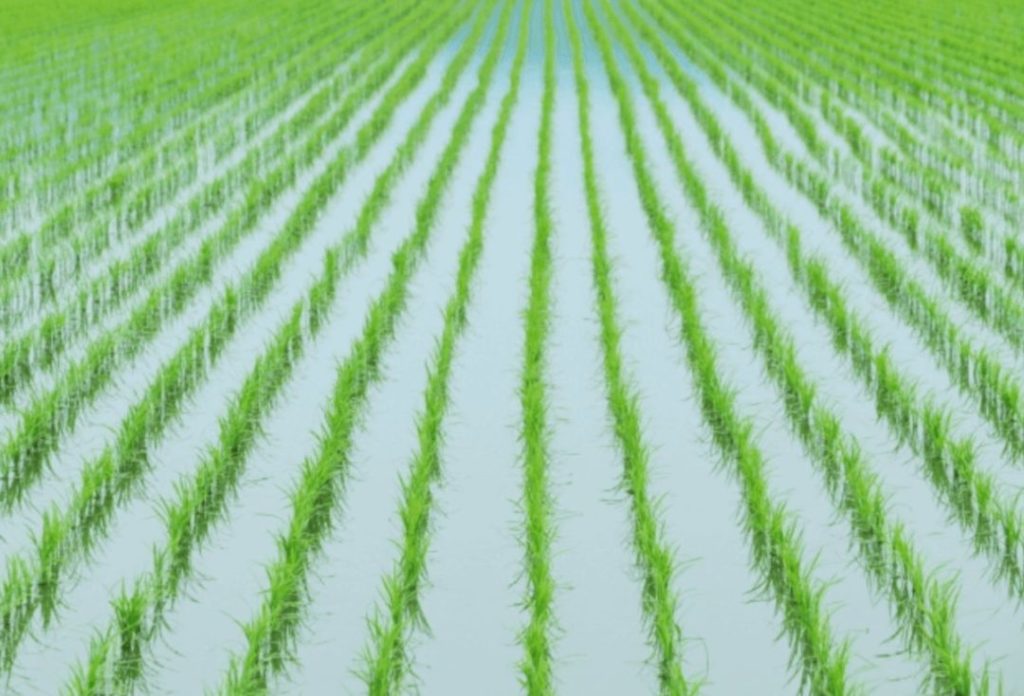
Growing rice plants requires paddy fields. Paddy fields, which existed over a wide area throughout Japan, had enormous water storage capacity. Japan is a mountainous country with many steep slopes, and typhoons often come in the fall.
The natural environment is prone to flooding and other water damage when it rains. We need to know the fact that rice paddies stored a certain amount of rainwater and thus prevented flooding.
Seven Faces of Rice Menu
Rice is the base of various dishes in Japanese cuisine. Here, we will take a look at how rice is used and categorize it into seven different categories.
Partners of Rice
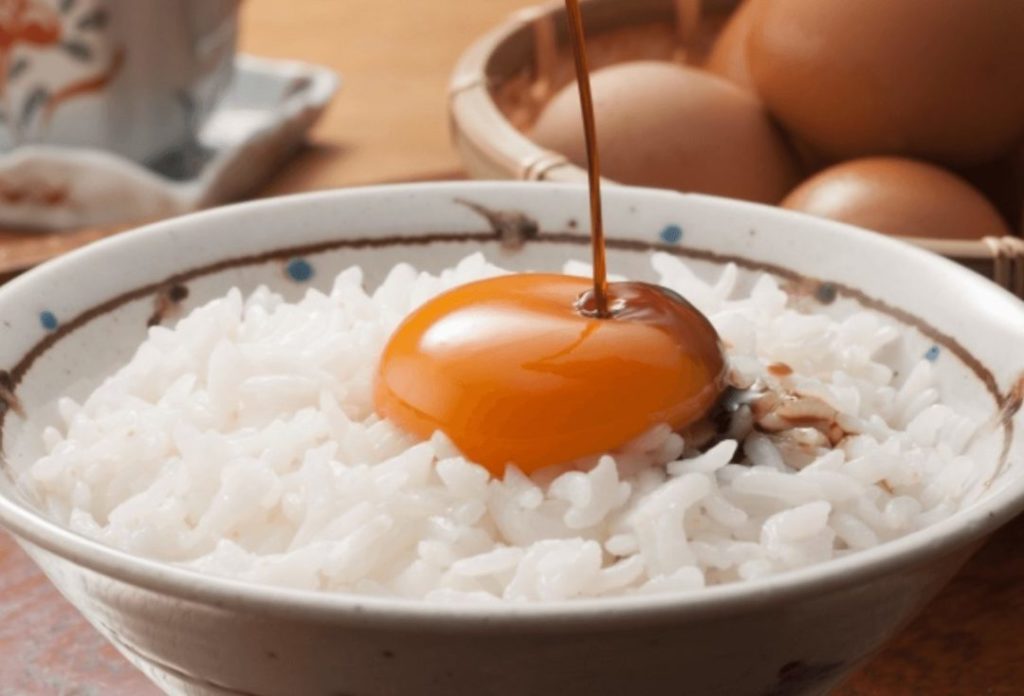
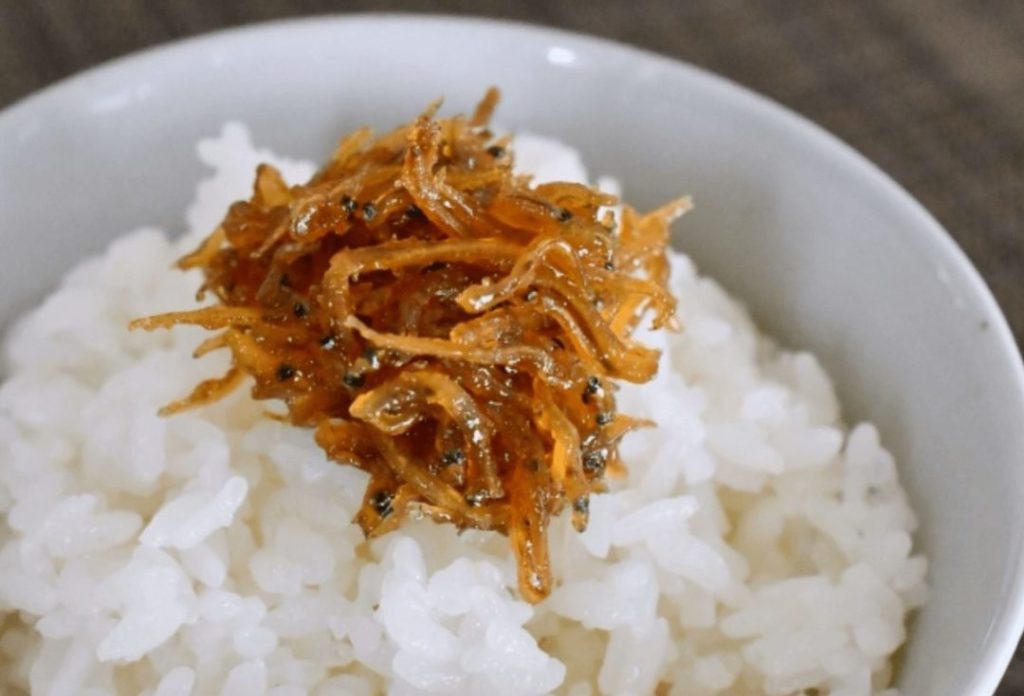
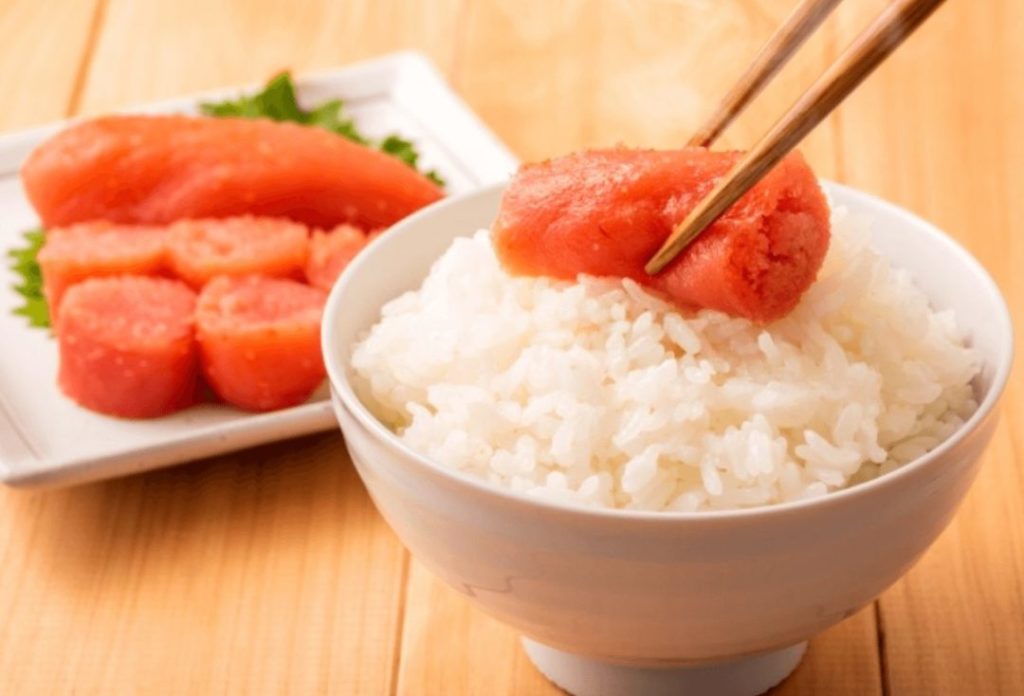
Put a small amount of side dish on freshly cooked rice and fill your mouth with it. It is simple, but indescribably delicious. This side dish is called “Gohan-no-tomo” (partner of rice). You can eat several bowls of rice with only gohan-no-tomo.
This super-simple meal to put just a side dish from the refrigerator on a freshly cooked rice is perfect for busy mornings. Since it will fill you up, you can start your day off in a good condition.
Typical rice partners are raw egg, “Jako” (dried and seasoned baby sardines), “Mentaiko” (seasoned cod roe with chilli pepper), *Photo: Rice topped with raw egg, Jako, and Mentaiko from the top
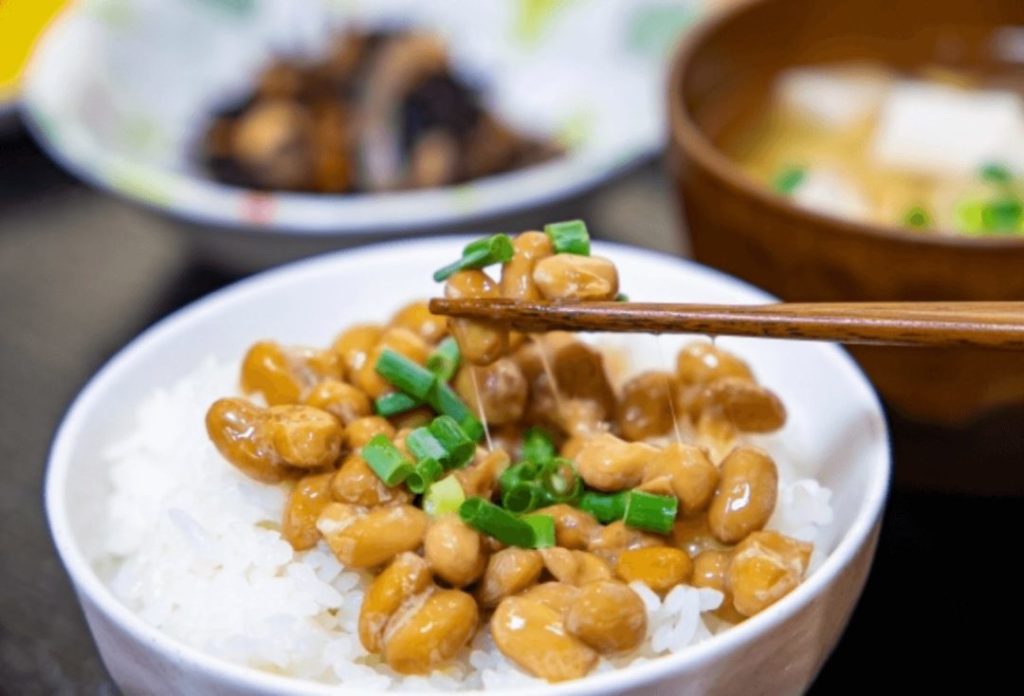

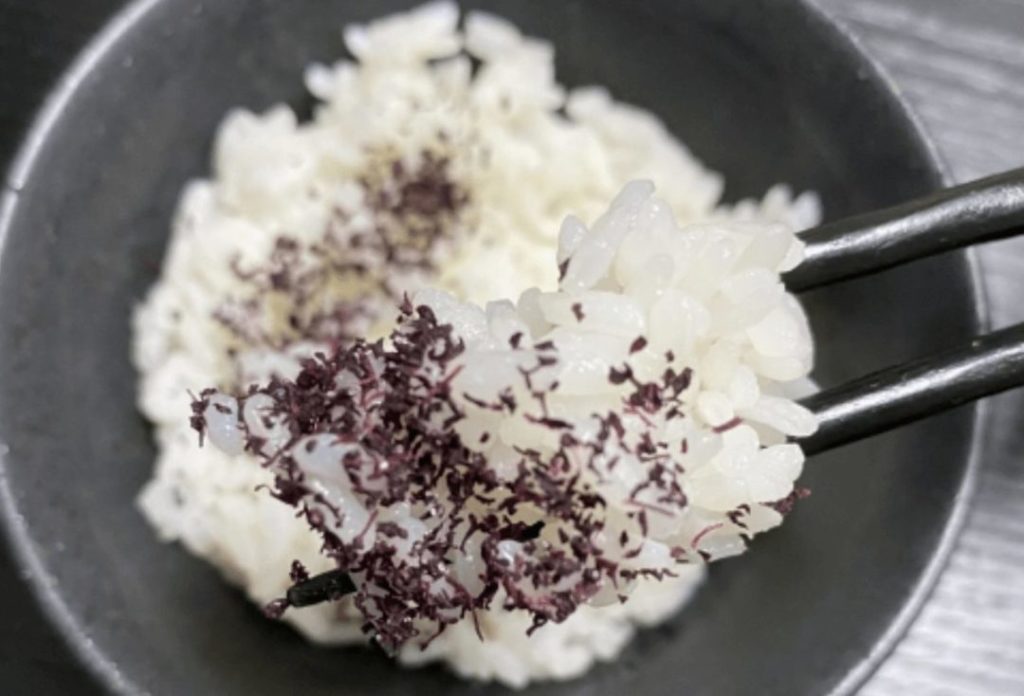
“Natto” (fermented soybeans), “Oshinko” (Japanese pickled vegetables), and “Yukari” (dried beefsteak plant) is also very popular. *Photo: Rice topped with Natto, Oshinko, and Yukai from the top
“Tamago-kake-gohan” (rice topped with raw egg) has become a hot topic in Hong Kong and other foreign countries.
For more information on “Tamago-kake-gohan”, please click here. “8 Japanese Foods to Learn About” / “Raw Egg over Rice — Tamago Kake Gohan (TKG)”
Donburi Mono
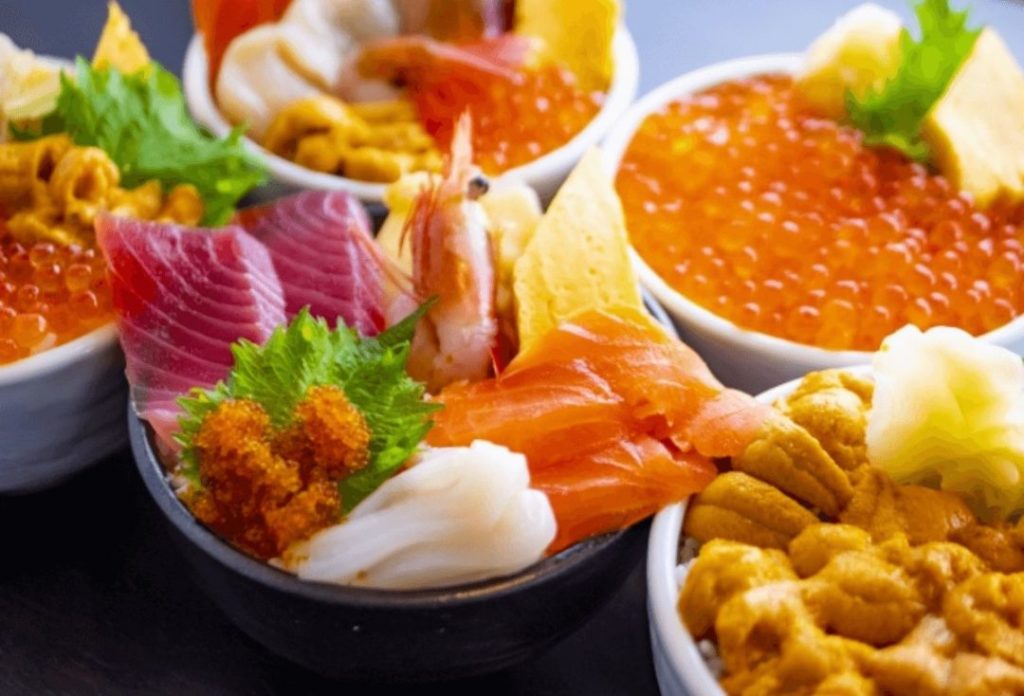
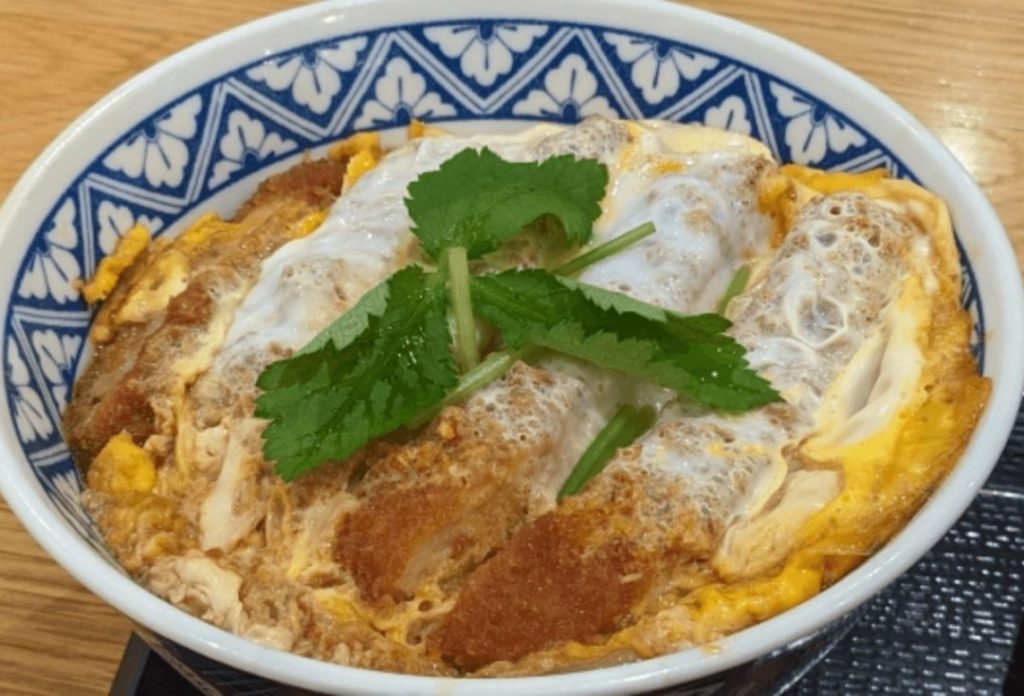
“Donburi-mono” is a compact dish consisting of rice and a variety of side dishes in a bowl called a “Donburi”. It is a quick and luxurious dish with a lot of ingredients, and the volume is large enough to fill you up.
Many restaurants in business and downtown areas offer donburi-mono as today’s lunch. “Gyu-don” (beef bowls), “Kaisen-don”(seafood bowls), and “Katsu-don”(pork cutlet bowls) are typical examples. There are too many local donburi-mono in Japan to count. *Photo: Kaisen-don and Katsu-don from the top
Sushi
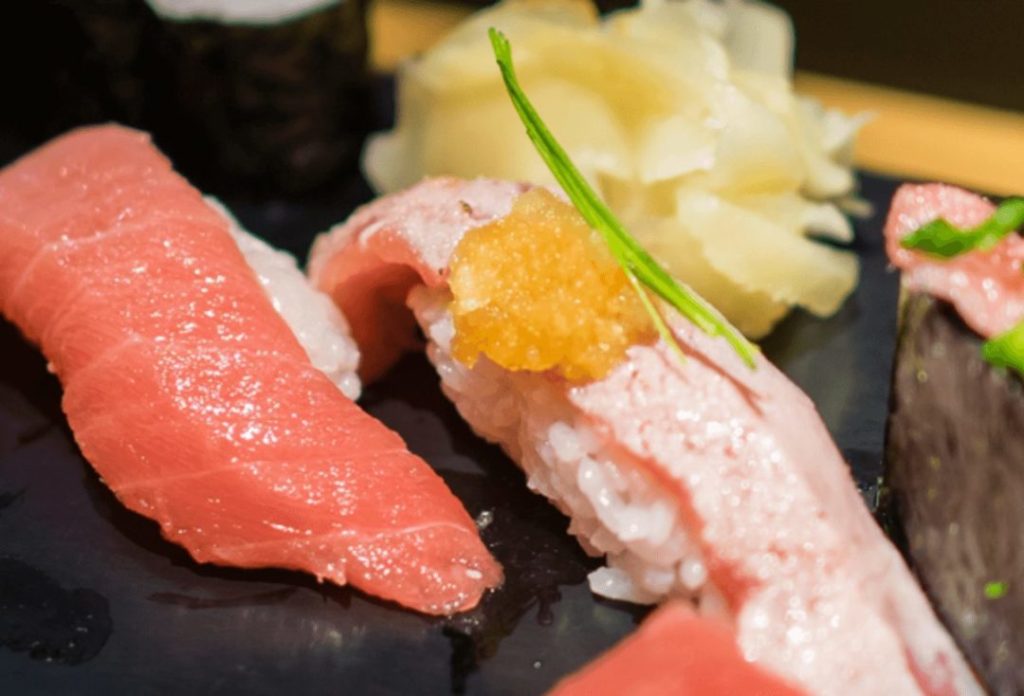
Sushi is a well-known representative of Japanese food. In addition to sushi topped with toro (a bit fatty part of tuna) and ebi (shrimp), there are also sushi topped with boiled or seared seafood. What is good with sushi is that you can enjoy various kinds of sushi little by little.
Rice for sushi is called “Shari”. The rice is cooked, then moistened with vinegar and softly shaped so that there is just the right amount of space between the grains of rice. The skill of the sushi chef is to make the rice so that it does not fall apart when held in the hand, but falls apart on the tongue. Rice should not be sticky to make quality sushi.
For more information on “Sushi”, please click here. “8 Japanese Foods to Learn About” / “Sushi”
Zousui and Kayu
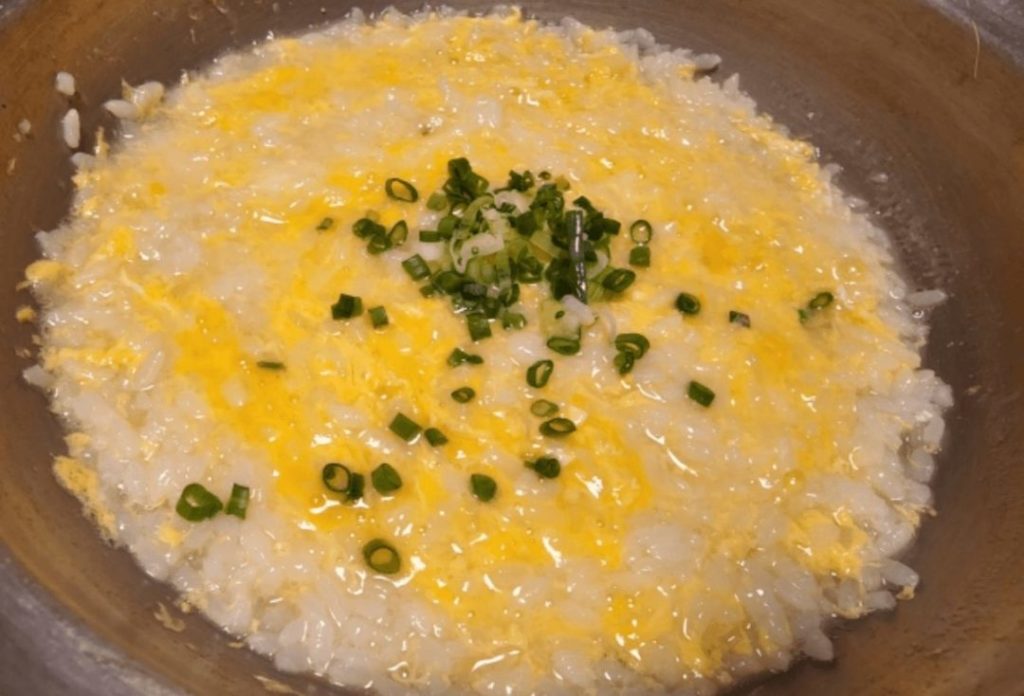
“Zousui” (rice porridge) is made by boiling cooked rice with dashi (Japanese soup stock) and other ingredients. The grains of rice remain. Many of them are simple, such as “Tamago-zousui” (egg porridge).
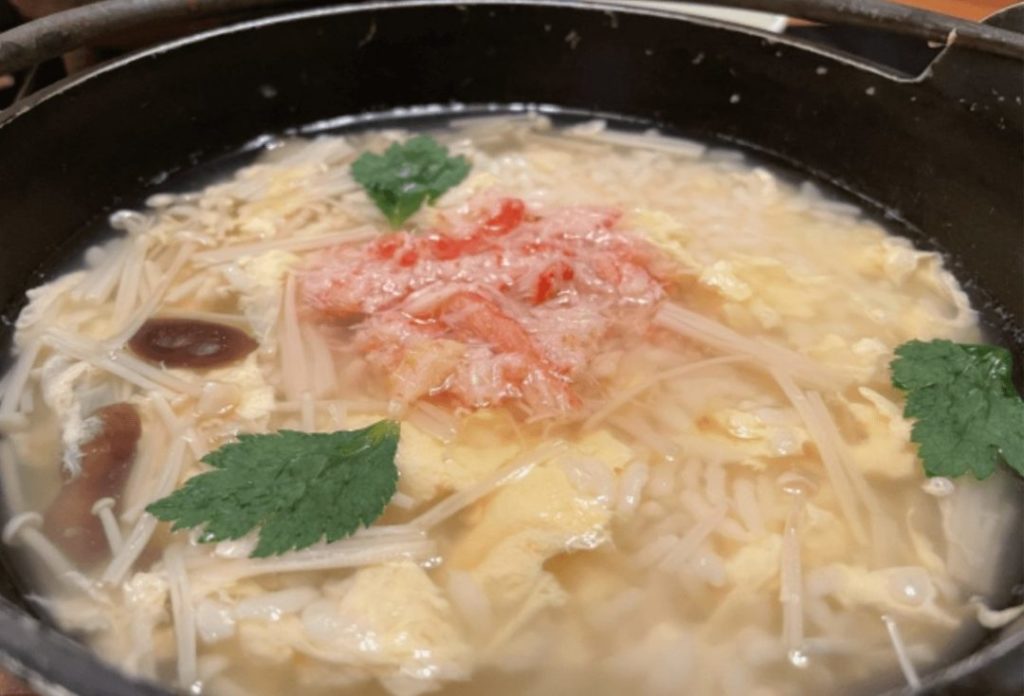
In many cases, cooked rice is added to the soup after the nabe (Japanese hot pot) is finished. The soup contains the umami (pleasant savory taste) of the ingredients in the pot, and the grains of rice that have absorbed the soup have a deep taste.
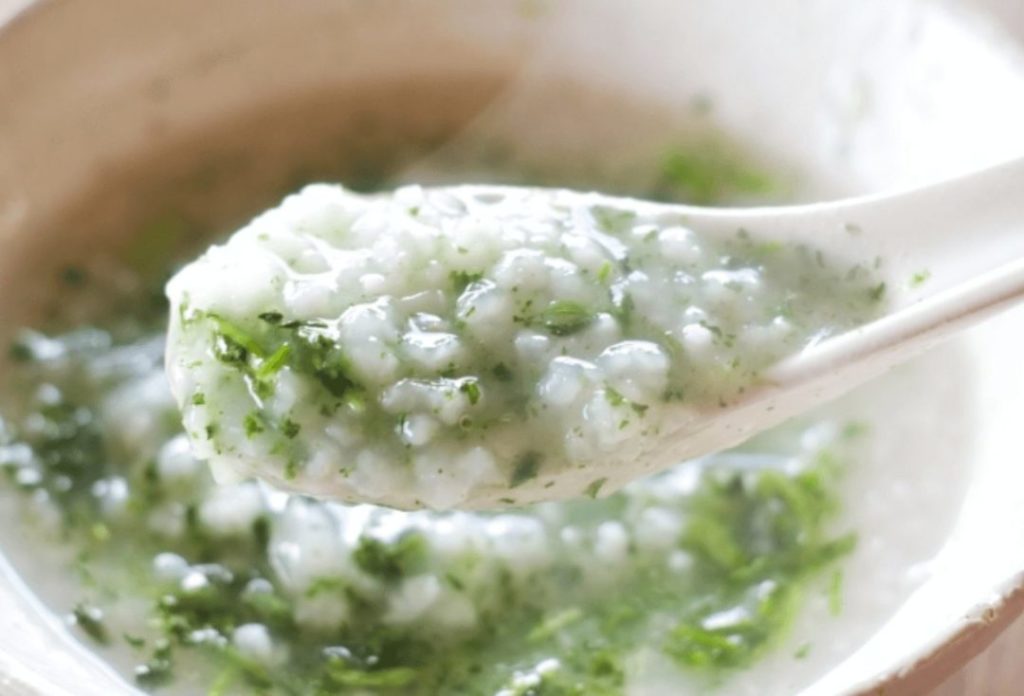
“Kayu” (congee), on the other hand, is made by simmering raw rice in a large amount of water until the rice is soft enough to be slightly dissolved.
A typical example is the “Nanakusa-Gayu*”( porridge with seven kinds of herbs) eaten during the New Year’s holiday. Since kayu is easy to digest, it is sometimes eaten when one has an upset stomach or a poor appetite.
*”kayu” becomes “gayu” when placed after a modifier
Takikomi-gohan and Sekihan
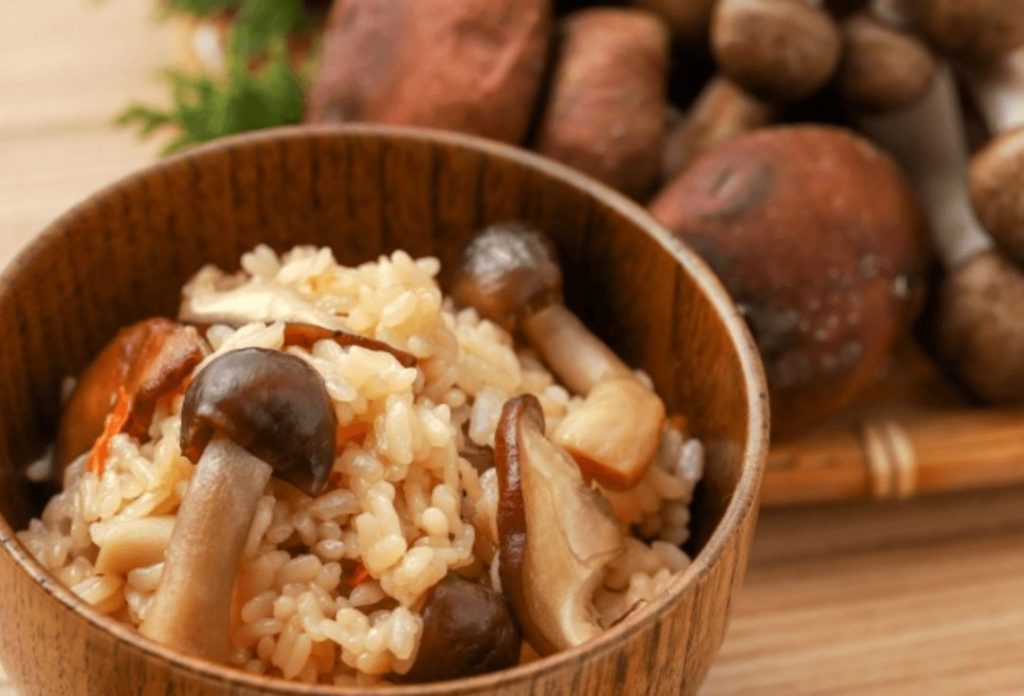
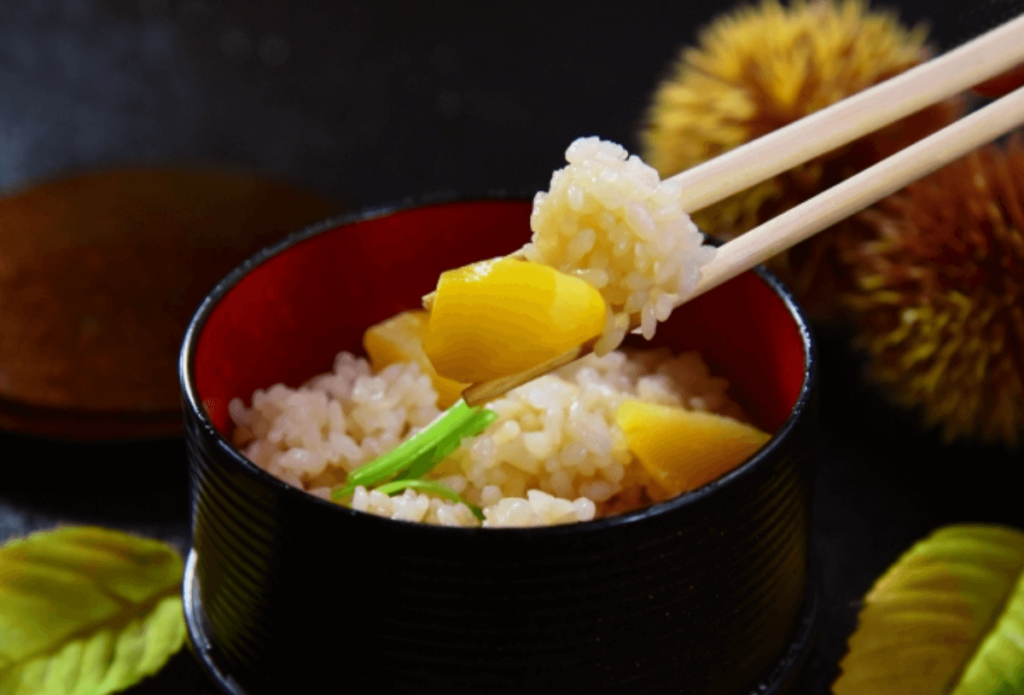
Rice cooked with soy sauce and other seasonings, dashi (Japanese soup stock), and seasonal ingredients is called “Takikomi-gohan” (Japanese Mixed Rice). The most common types of takikomi-gohan are those cooked with mushrooms and wild vegetables, and those cooked with chestnuts.
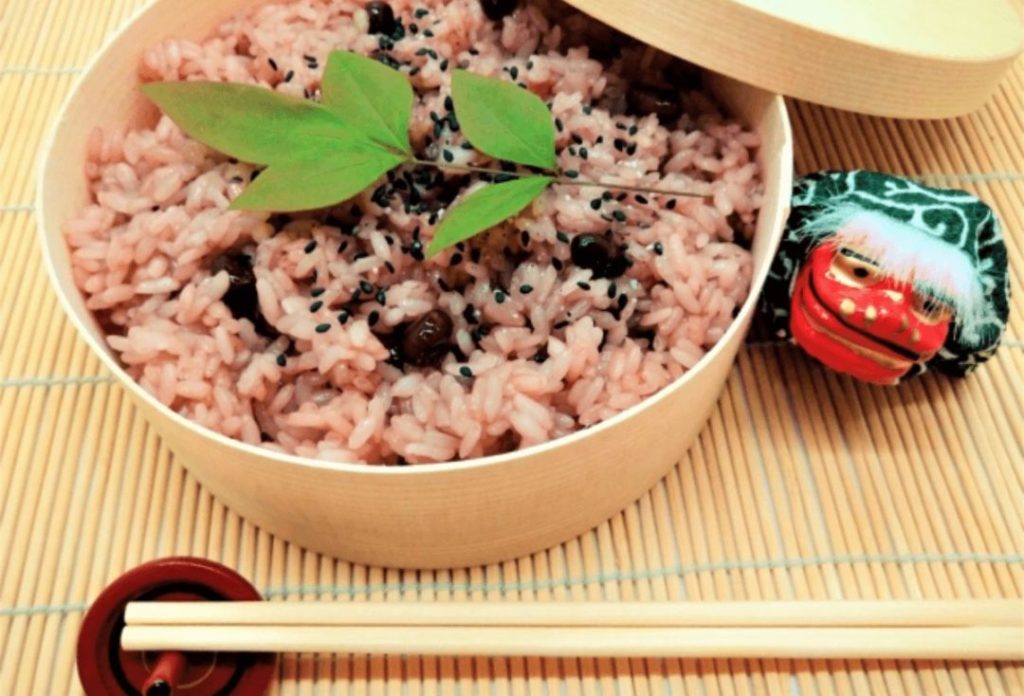
There is also “Sekihan” (red rice) in which rice is cooked with azuki (red beans). The coloring from the azuki gives the rice a slightly pinkish color. Since the color red was believed to ward off evil spirits, it is often eaten on festive occasions.
Onigiri
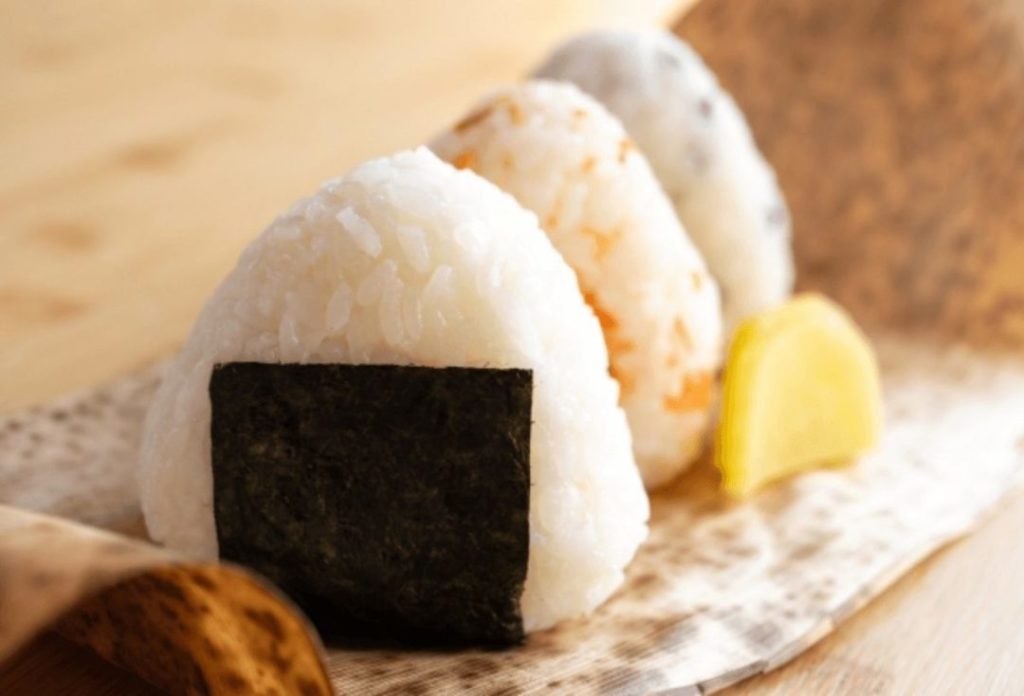
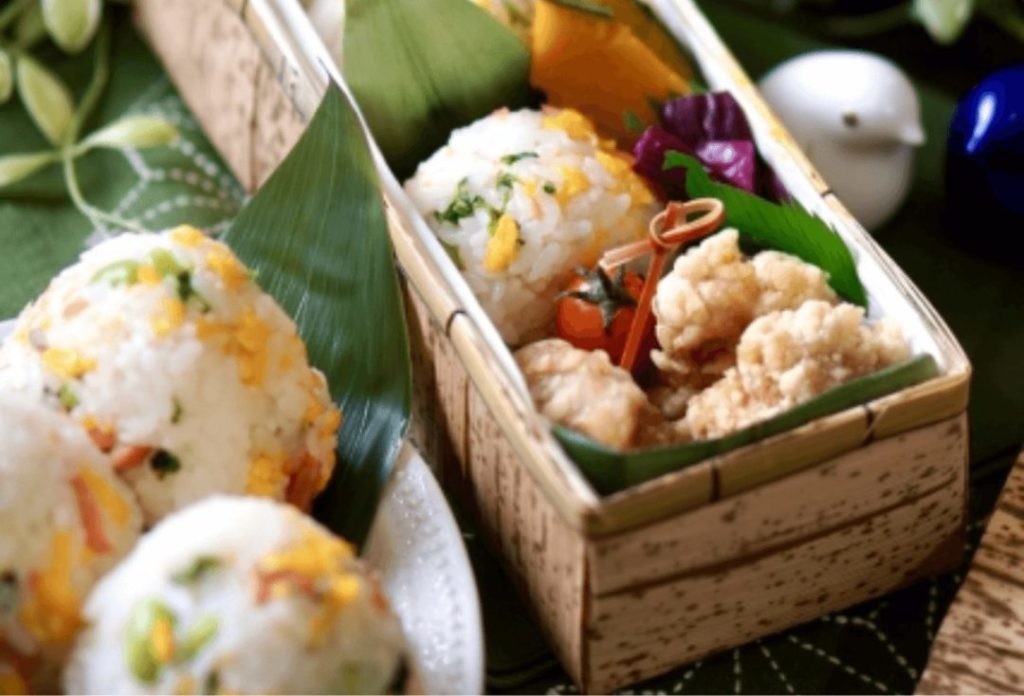
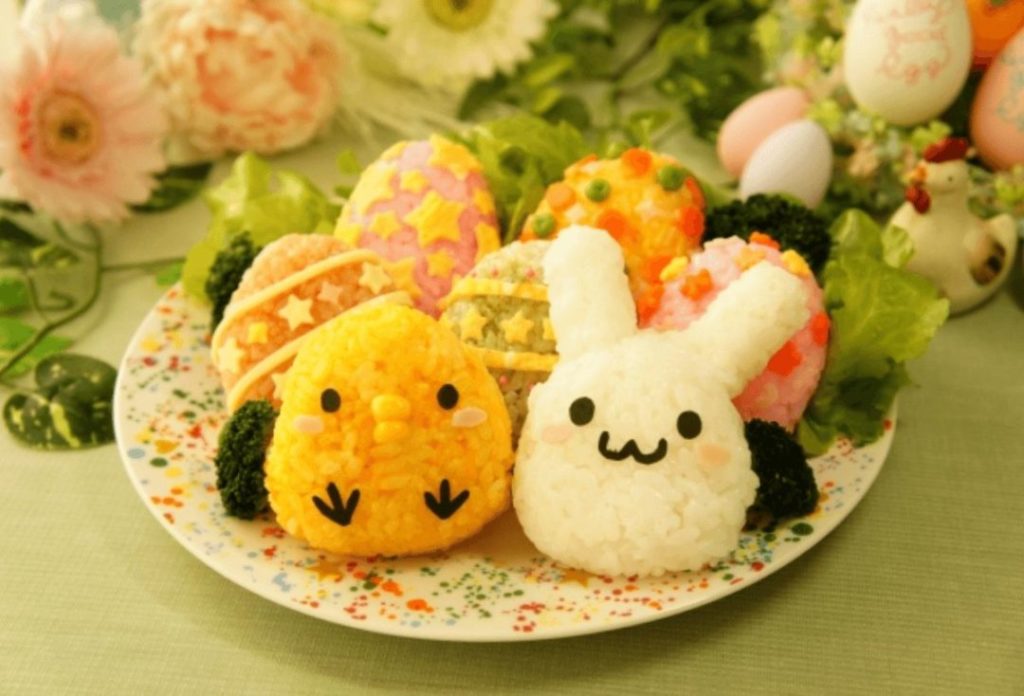
Onigiri is rice a ball made of cooked rice in a triangular or bale shape that can be eaten with one hand. The rice is usually filled with grilled salmon, pickled plums, dried bonito flakes, etc., and wrapped in nori (dried seaweed). Some onigiri are made by mixing pickles and other ingredients into the rice and then by shaping them.
For more information on “Onigiri,” click here. “2 Beautiful Japanese Foods in Boxes to Learn About”/”Bento”/”More Deep Stories on Bento”/”Japanese Soul Food — Onigiri”
Mochi
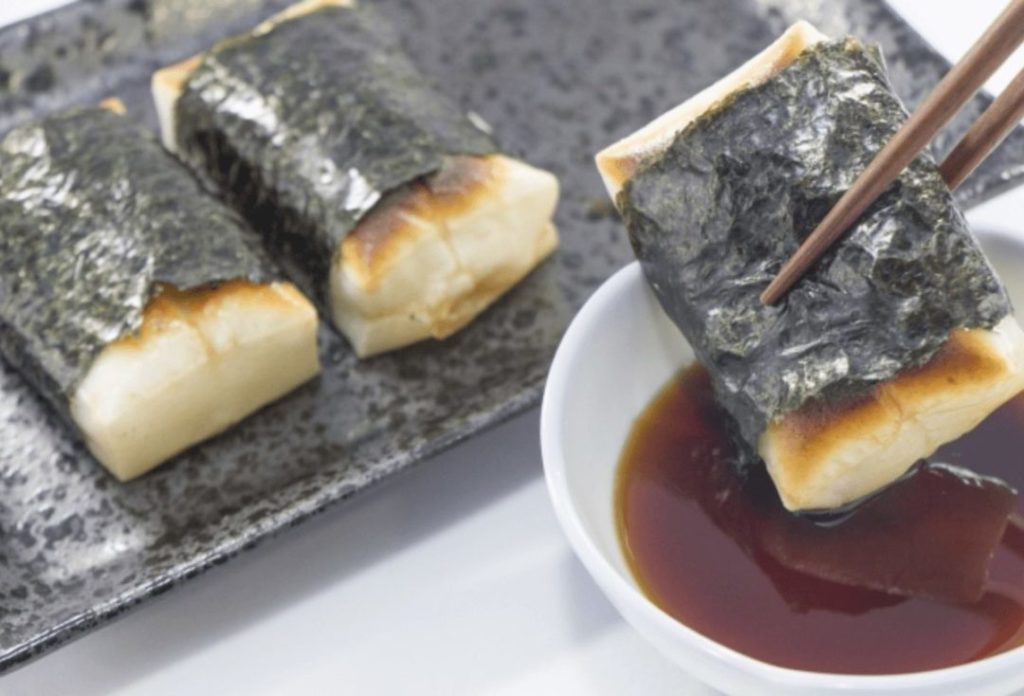
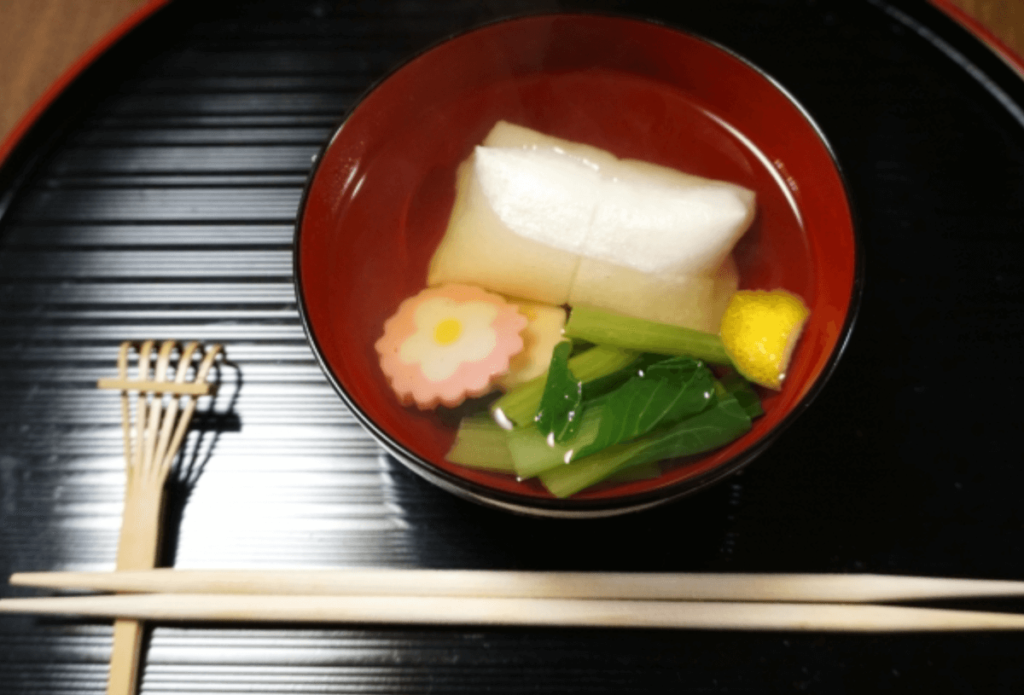
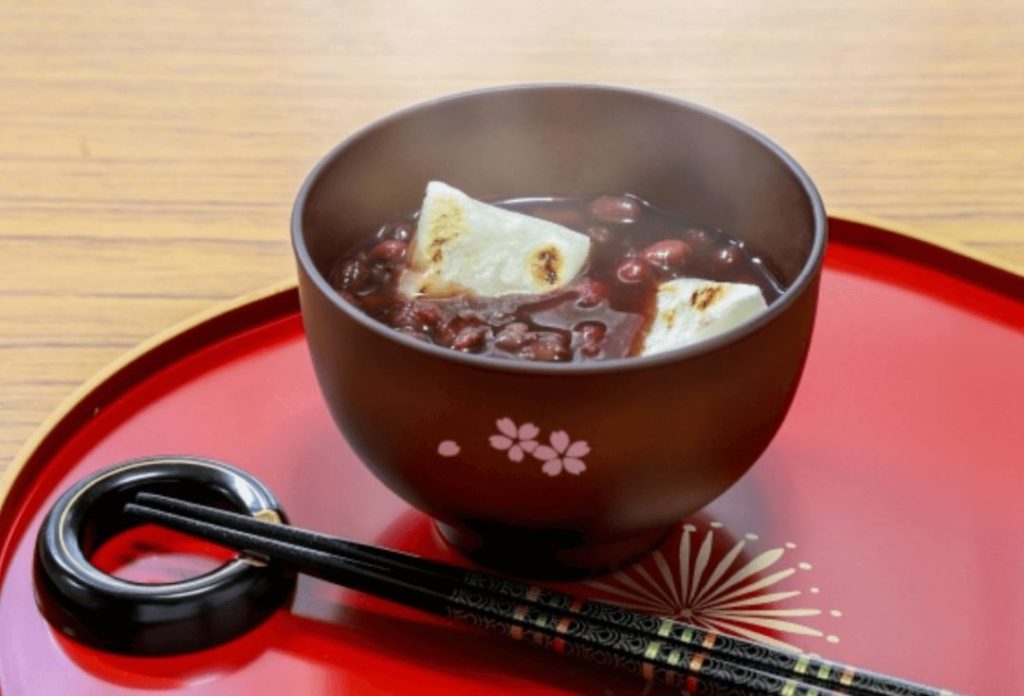
Mochi (rice cake) is made by steaming “Mochi-gome” (glutinous rice), pounding it in a mortar until it becomes sticky, and then shaping it. (The rice we usually eat is called “Uruchi- mai” (normal rice) to distinguish it from mochi-gome)
It has a unique stickiness and swells up when baked. Since ancient times, it has been widely eaten at New Year’s, seasonal events, and celebrations.
“Isobeyaki” is a typical mochi menu which is made by baking mochi and by wrapping it with nori (dried seaweed).Mochi is also used in “Zouni” (traditional New Year’s soup with rice cakes) and “Zenzai” (sweetened red bean soup). *Photo: Isobeyaki, Zouni and Zenzai from the top
Efforts to Cook Delicious Rice
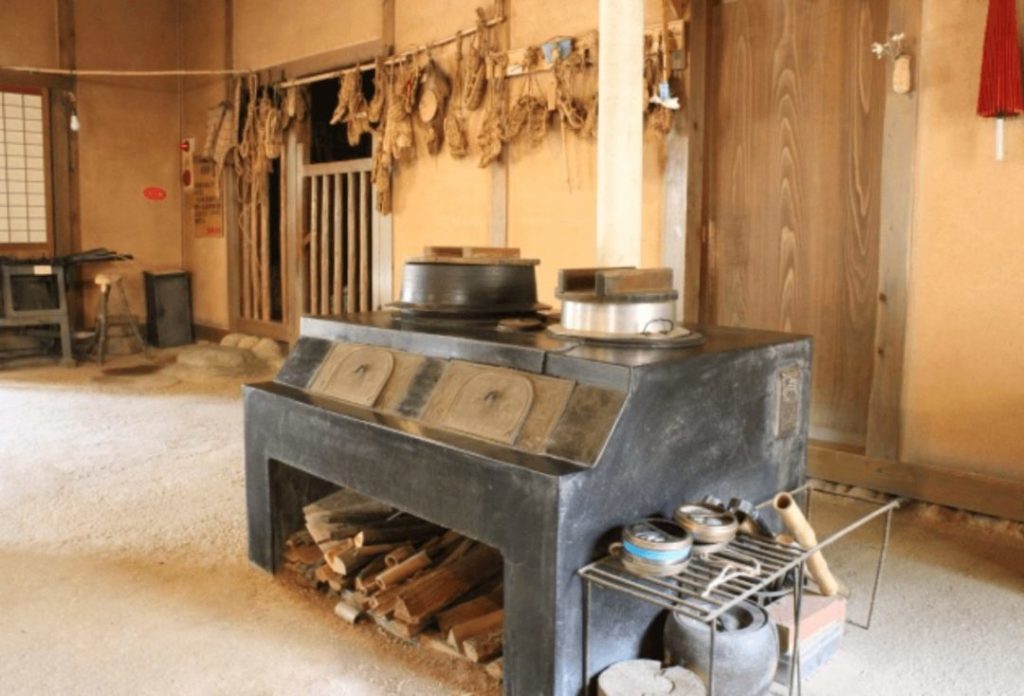
In the past, rice was cooked in a metal pot called a “Hagama”. The metal pot was placed on a special cooking facility called a “Kamado,” and a heavy wooden lid was placed over the pot to cook the rice.
“Start with a little bit, and then a little bit more, and do not remove the rid even slightly even if baby cries.” This is the saying to show how to adjust heat. It means that the heat must be low at first, then moderate, and the lid must never be removed in the middle of cooking to cook rice well.
Cooking rice by a kamado is not commonly done today because it is very hard work and it is difficult to build such a facility in a modern house.
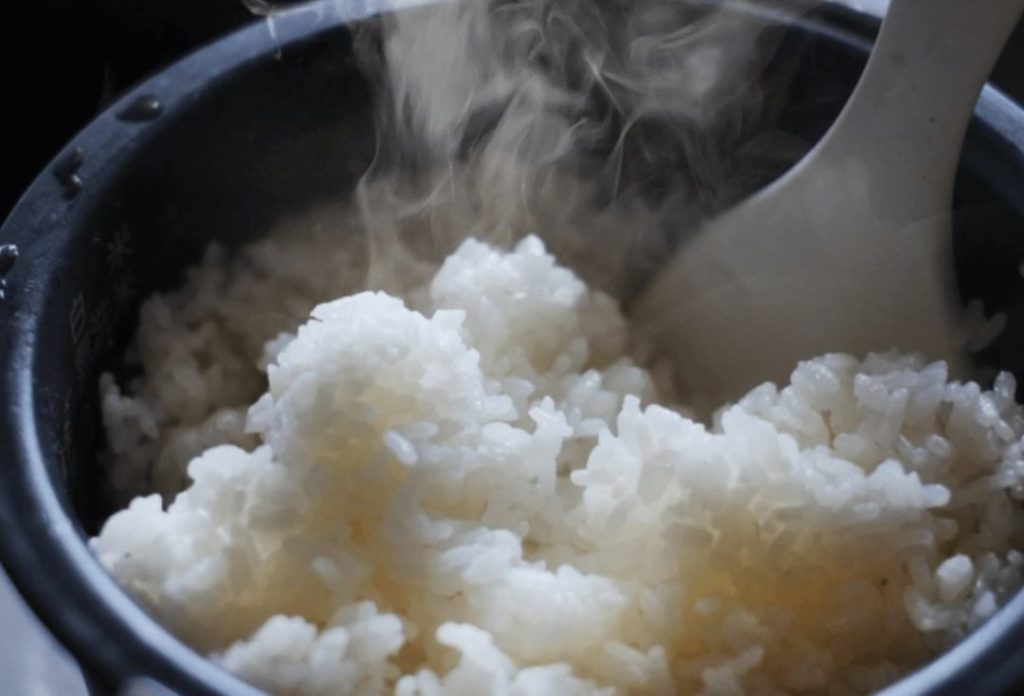
When rice is cooked by the kamado, each grain of rice stands out and shines brightly, resulting in a delicious, sticky, sweet rice. Nowadays, electric rice cookers that claim to be able to cook the same quality rice as cooked by the kamado are very popular.
More Deep Stories on Rice
Onigiri at Convenience Stores
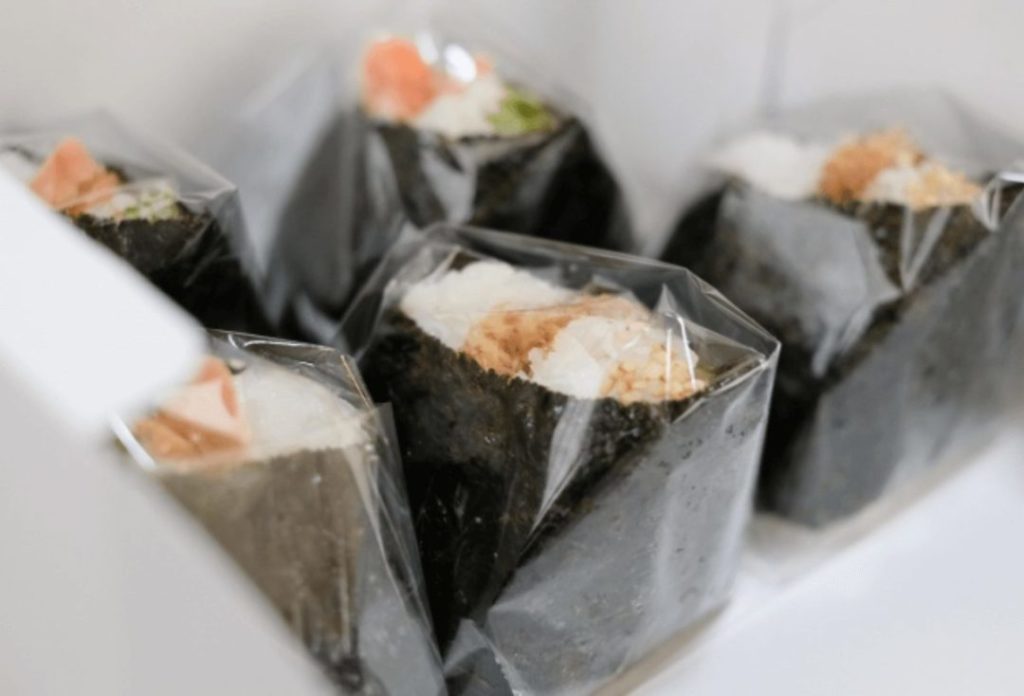
Onigiri was originally made at home for bento (boxed lunch) because they were portable and convenient. Nowadays, we started buying onigiri at stores and eating them casually when we were out of home, or when we wanted to have something to eat.
Convenience stores are the driving force behind this trend. Onigiri is one of the top-selling categories in the convenience store industry, with an estimated 6 billion pieces sold annually in Japan as a whole. This means that each Japanese person, including babies, eats 48 pieces of onigiri per year.
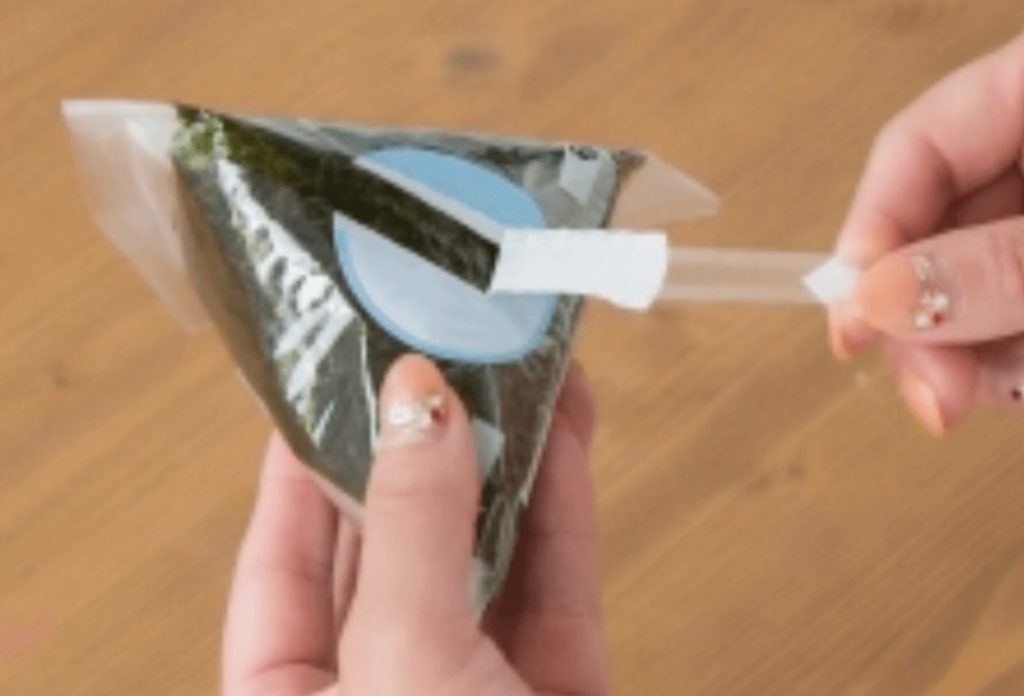
The development competition is fierce, and onigiri with various improvements are being introduced frequently, including the development of packages that are easy to open, the use of high-end ingredients, and research into how to make rice balls that are similar to handmade rice balls.
This is because onigiri has become an important commercial product that greatly impact upon the sales at convenience stores.
Rice Flour and Wagashi
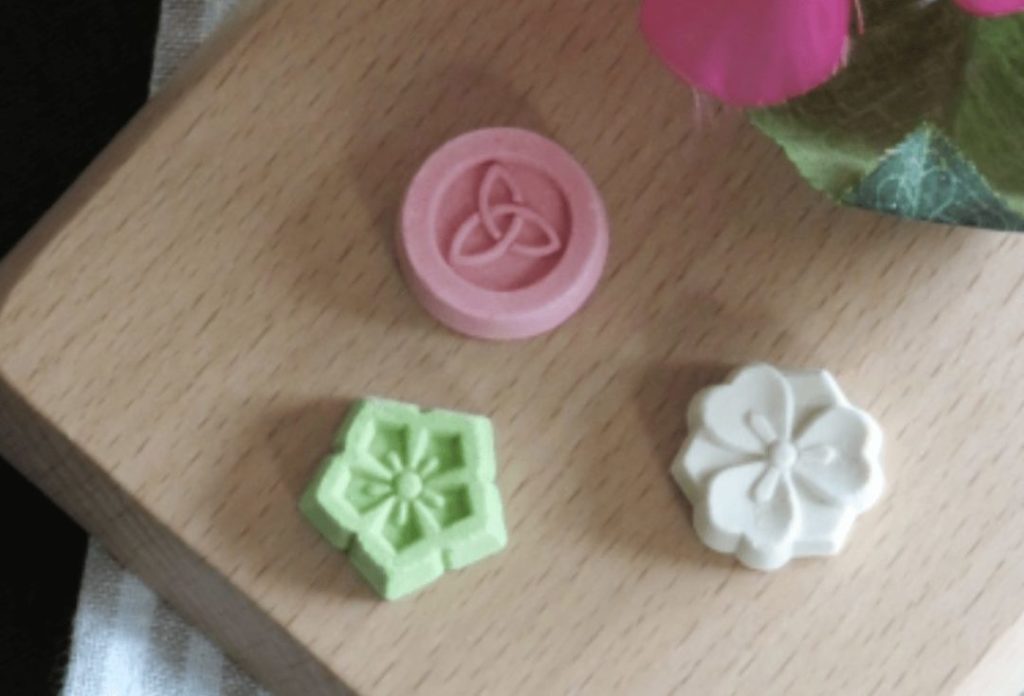
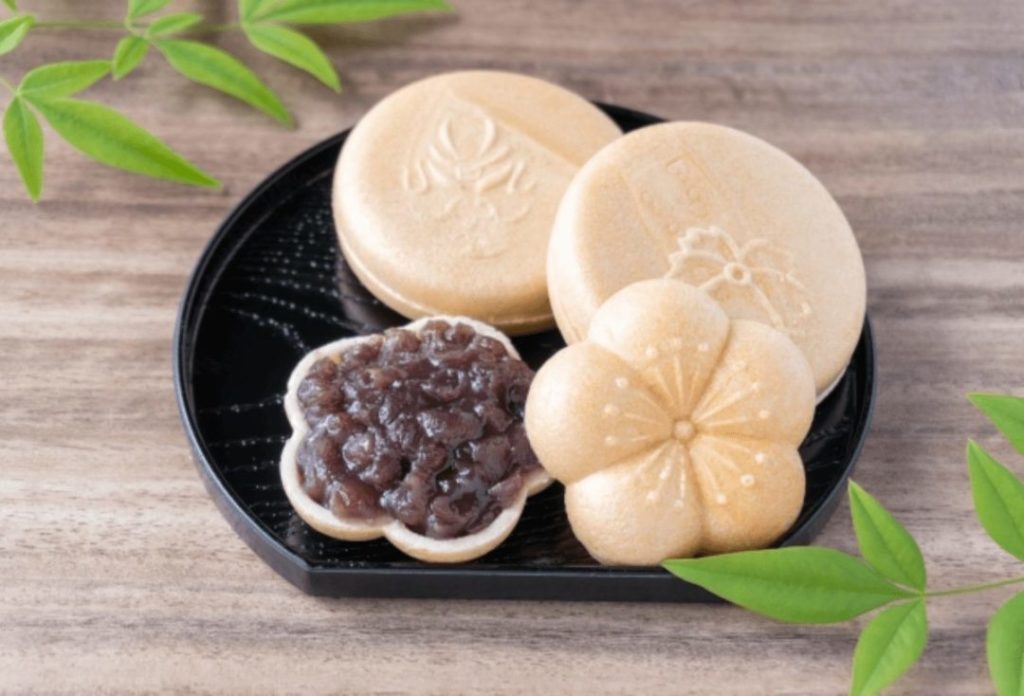
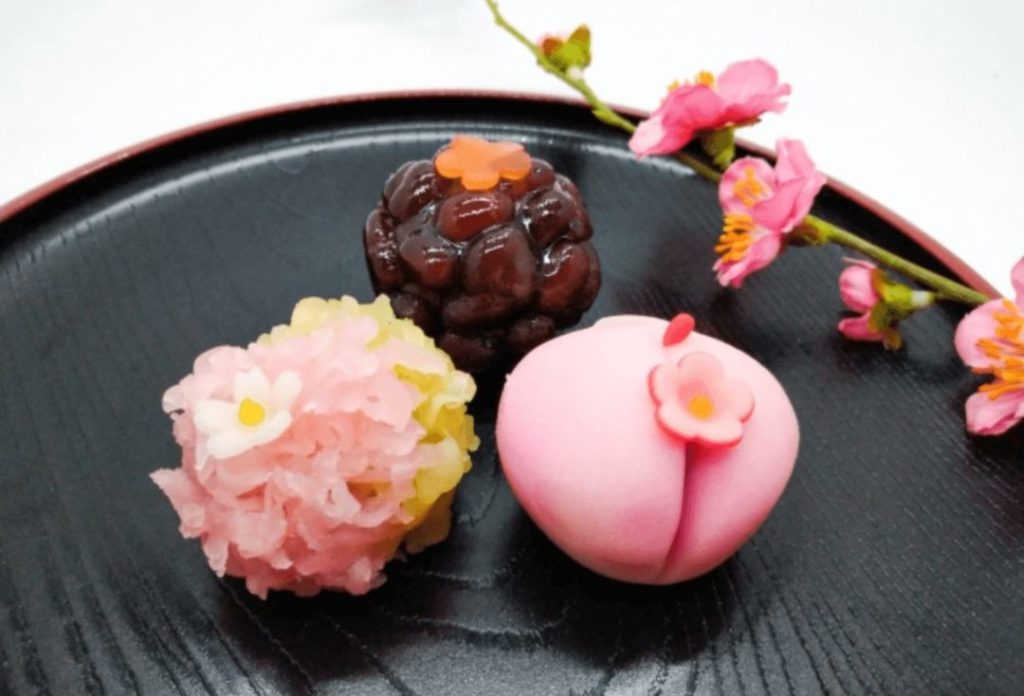
There are two types of rice flour. “Shin-ko” is made from uruchi-mai (normal rice). On the other hand, “Shiratama-ko” is made from mochi-gome (glutinous rice).
Rice flour is used in a wide variety of “Wagashi “(Japanese confectionery). For example, shin-ko is used for “Rakugan” and shiratama-ko is used for “Monaka” skins and “Nerikiri”. *Photo: Rakugan, Monaka and Nerikiri from the top
Recently, rice flour is also used for Western confectionery to avoid wheat allergies.
For more information on “Wagashi”, please click here. “8 Japanese Foods to Learn About” / “Wagashi (Japanese Confectionery)”
Miso Soup
Miso Soup for Japanese People
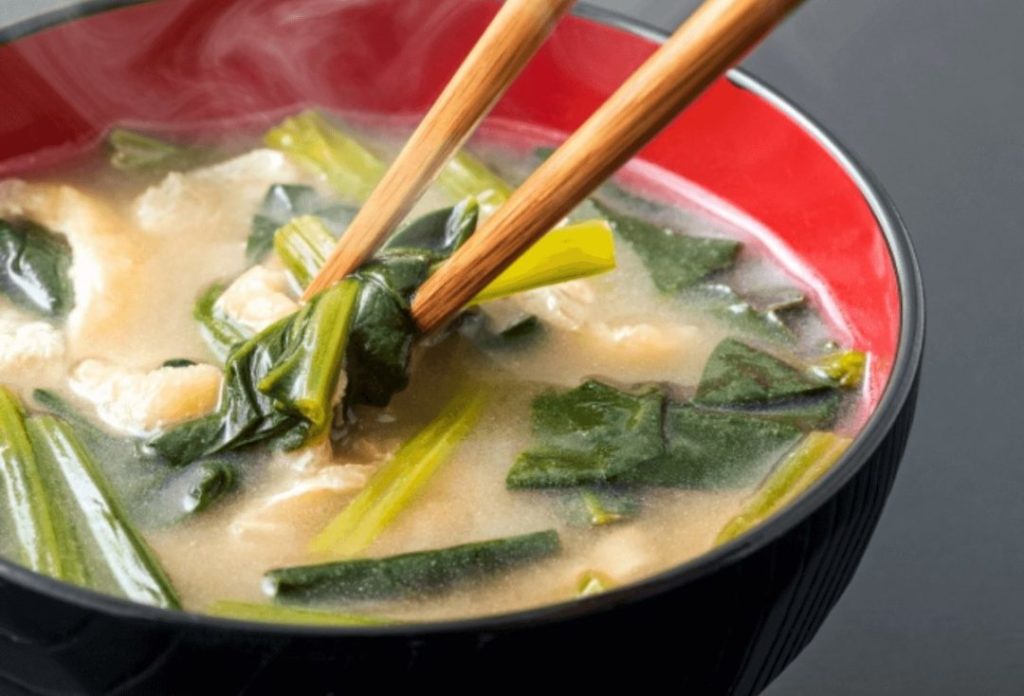
Eating miso soup somehow makes you feel at ease. It warms you from the inside out. Miso soup is often referred to as “mom’s taste”. It means that each family has its own taste of miso soup.
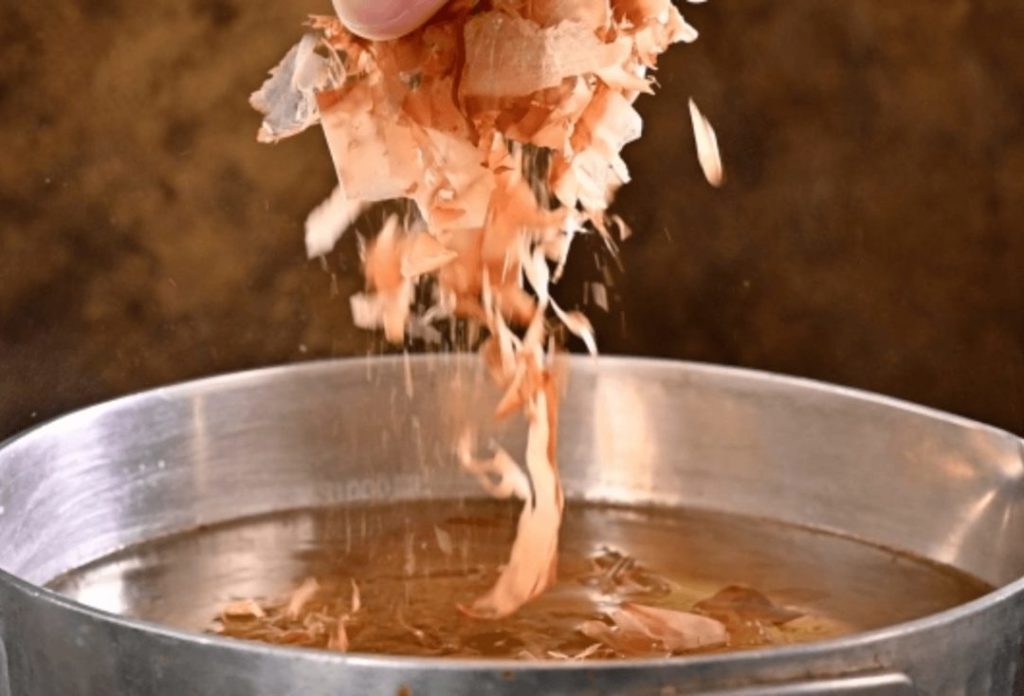
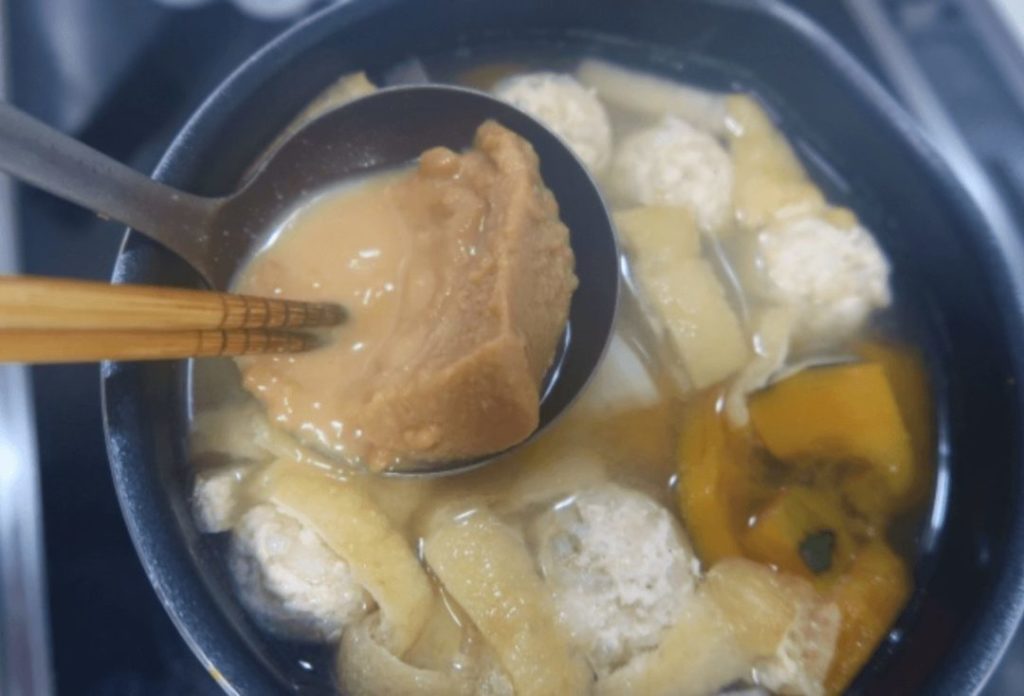
Miso soup is made by simmering ingredients in dashi (Japanese soup stock) and then dissolving miso in it at the end. Even miso soup made with the same ingredients will have a slightly different taste because each household has its own way of making miso soup, such as the length of cooking time of the ingredients, the type and amount of miso and dashi used, and so on.
In the past, miso was sometimes made at home, and homemade miso was called “Temae Miso”. The miso soup made with temae miso must have seemed different from the miso soup of other households.
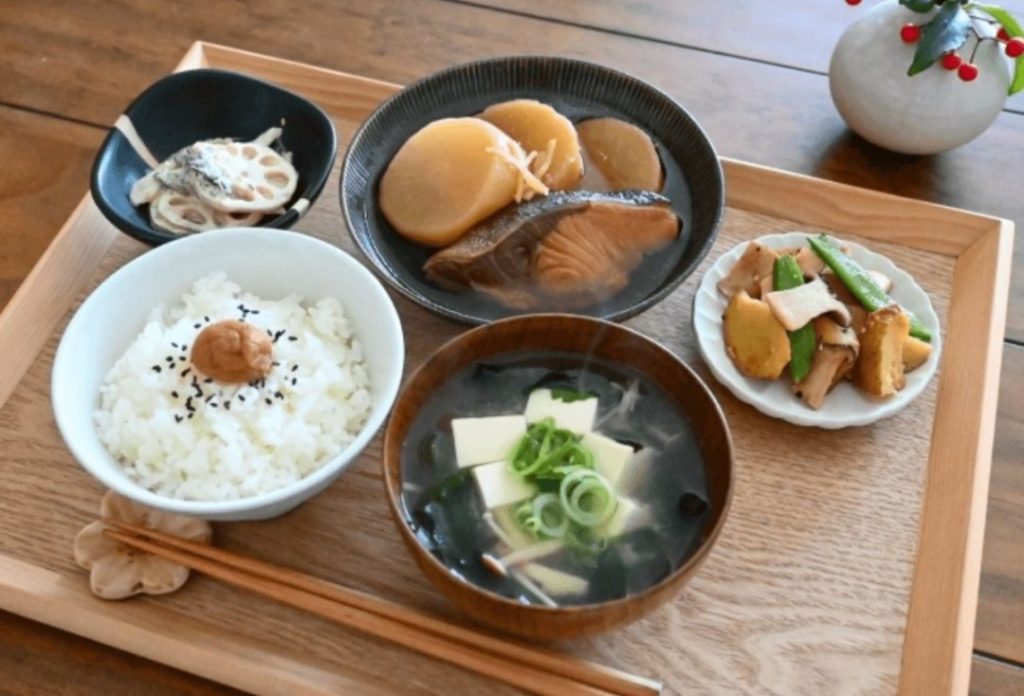
Freshly cooked rice and miso soup constitute the backbone of Japanese food. There is a saying in Japanese cuisine, “Ichiju Sansai,”(one soup and three side dishes) which describes the basic structure of Japanese food as consisting of rice, miso soup, and three side dishes.
Main ingredient of rice is carbohydrate, and the rice has a light flavor and no saltiness. It makes sense to drink miso soup when eating rice, which is made from soybeans, a good source of protein, and has just the right amount of saltiness.
More information on “Rice”, see here. “Rice & Miso Soup—Basics of Japanese Food” / “Rice”
History of Miso and Miso Soup
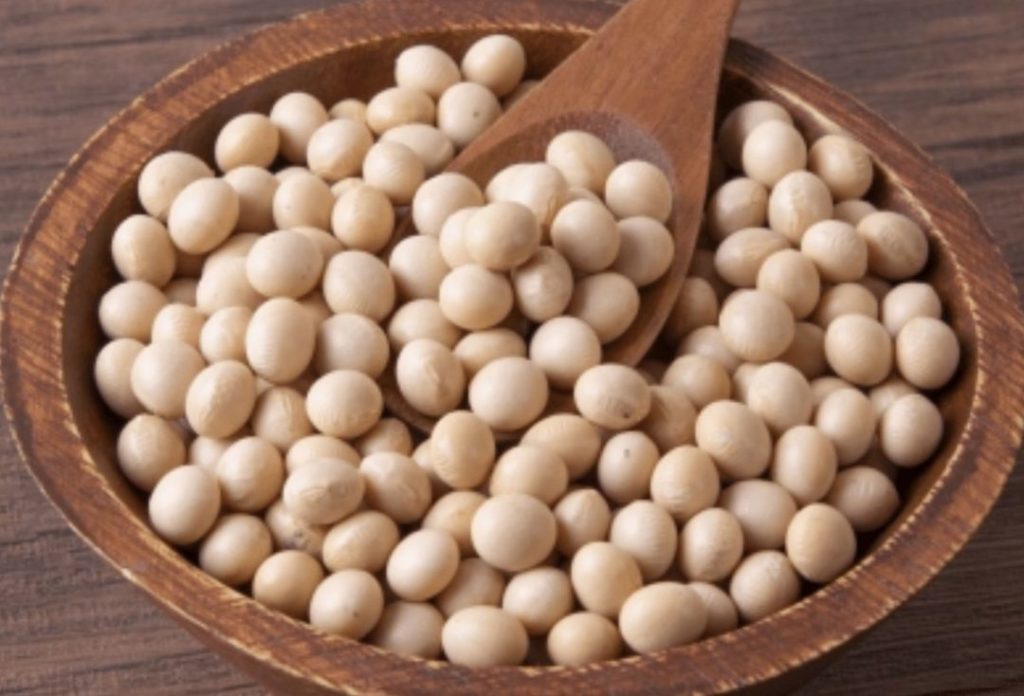
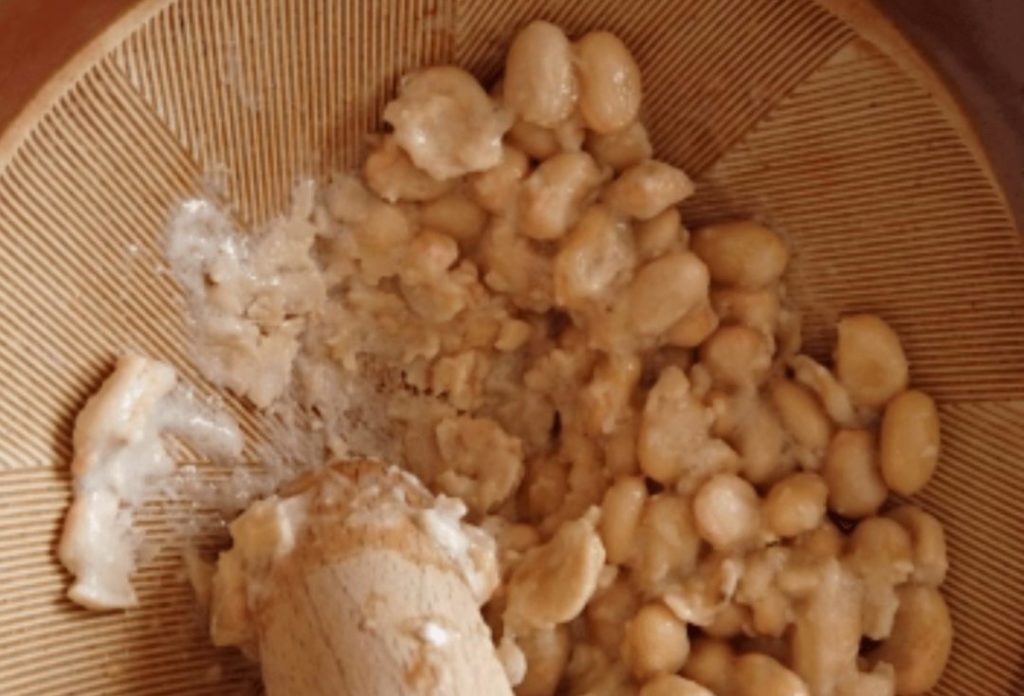
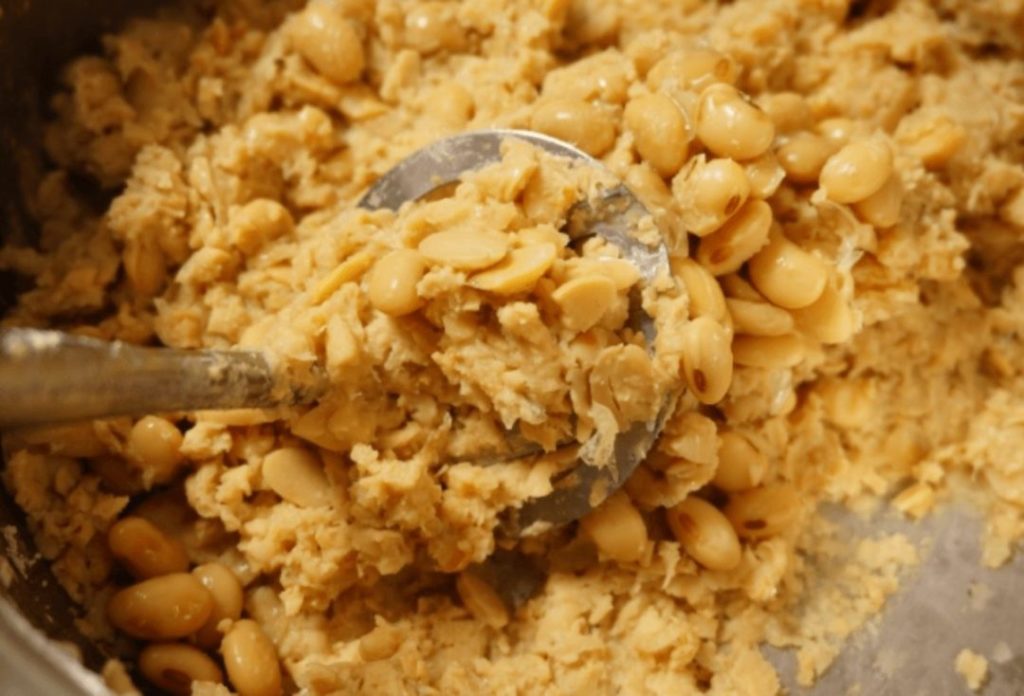
The most important ingredient in making miso soup is miso. In ancient China, there was a fermented food called “shou” or “shi,” which was made by marinating meat, fish, cereals, soybeans, etc. with koji (*) and salt, and this is said to be the origin of miso. Modern Japanese miso is made by fermenting soybeans, rice, barley, etc., with salt and koji.
* Koji: Steamed rice, barley, beans, etc. to which “koji mold” is attached and cultivated.
Miso is said to have been used in the Heian period (in the 8th -12th century), either spread on food or eaten as is. At that time, it was a precious commodity that was not available to the common people.
It was during the Kamakura period (in the 13th -14th century) that people began to eat miso soup. It is said that people grinded miso grains in a mortar, dissolved them in water, and drank it.
Miso and Dashi
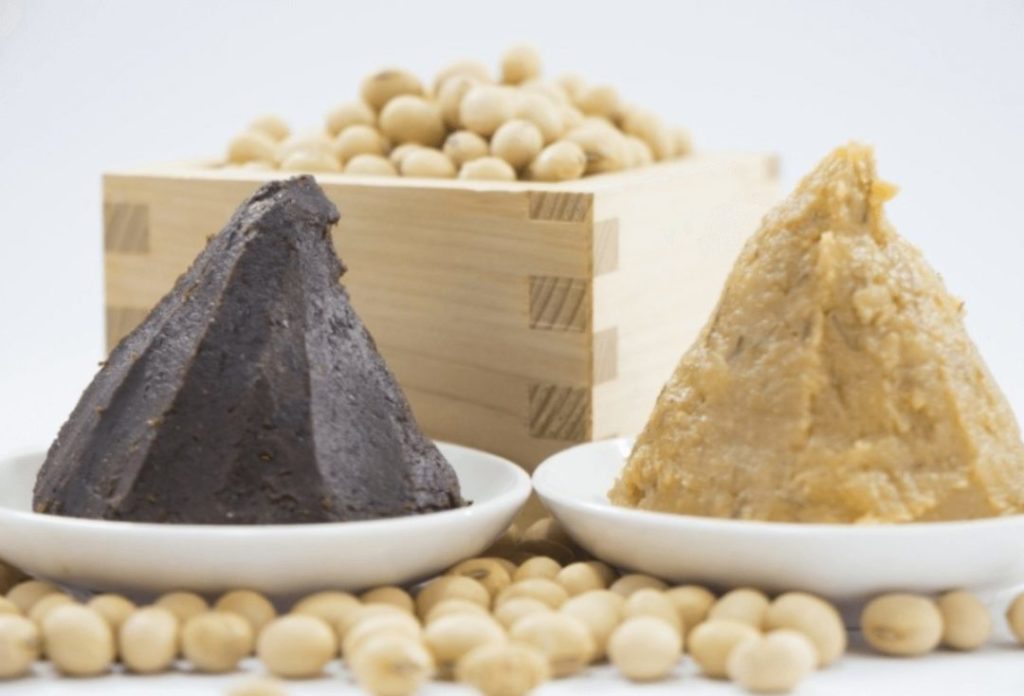
There are two types of miso: “Aka Miso” (red miso) and “Shiro Miso” (white miso). Aka miso is made by fermenting steamed soybeans which is soaked for a longer time. It has developed in the Kanto (eastern part of Japan) and Tohoku (northeast part of Japan) regions. It is aged in a longer time, rich in flavor, and tastes salty and slightly spicy.
Shiro-miso, on the other hand, is made by fermenting peeled and boiled soybeans with “Kome koji” (rice malt), which does not change color easily. It has been developed in the Kansai region (western part of Japan). It has a short aging period and low salt content, and in many cases, has sweetness derived from sugar of the koji.
*Photo: the left is aka-miso and the right is shiro-miso
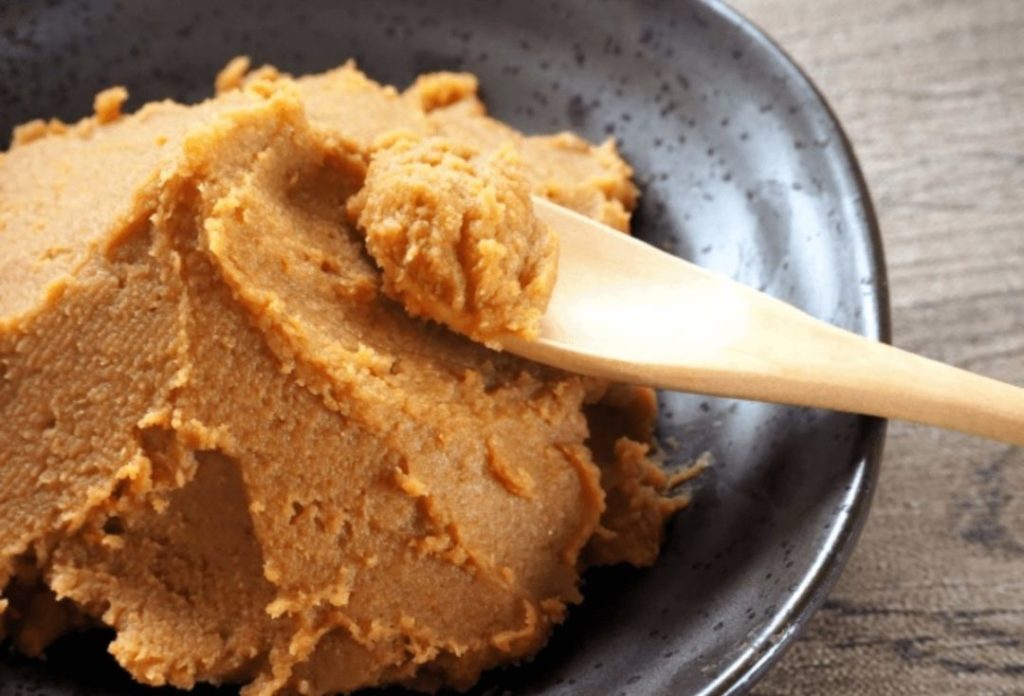
A combination of two or more types of miso is called “Awase miso” (mixed miso). Miso with different types of koji, different colors, and different origins are used together. The unique characteristics of each type of miso will be blended together to create a new flavor. A typical example is a combination of aka miso and shiro miso.
Typical dashi (Japanese soup stock) used in miso soup are bonito dashi and kelp dashi. Bonito dashi was developed in the Kanto region, while kelp dashi was developed in the Kansai region. Today, both dashi are used in both the Kanto and Kansai regions. In many cases, both types of dashi are used together.
Miso soup is sometimes made with dried-sardine dashi. It is made from small fish such as Japanese anchovies that have been boiled and dried. It produces a rich, robust dashi that is as good as the taste of miso.
More information on “Dashi”, see here. “8 Japanese Foods to Learn About” / “Dashi (Japanese Soup Stock)”
Types of Miso Soup
Common Ingredients
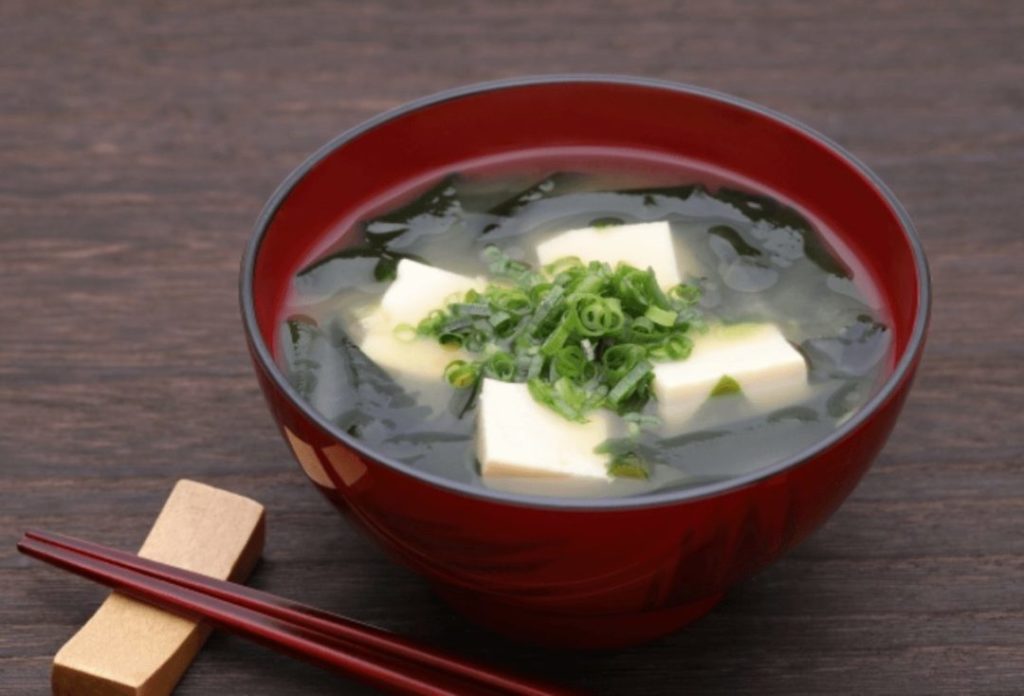
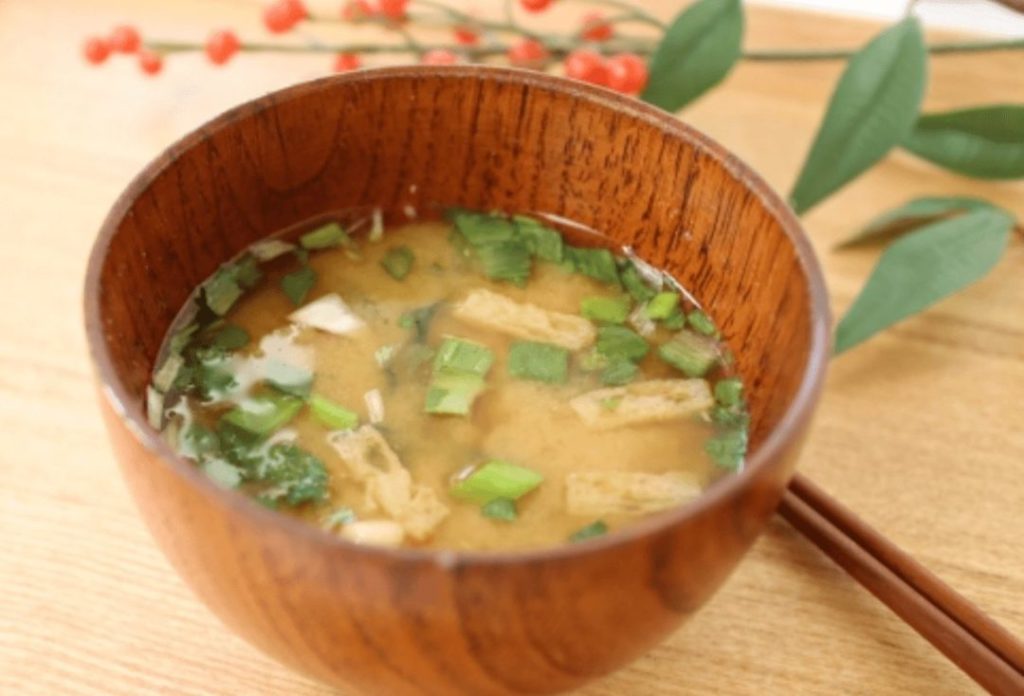
There are no strict rules on ingredients for miso soup. It is often made with vegetables and other ingredients found in the refrigerator, however, the most common ingredients are tofu and wakame seaweed. Green onions and deep-fried tofu are also standard, and are often used in combination with tofu and wakame seaweed. Other common ingredients include eggplant, spinach, and shiitake mushrooms.
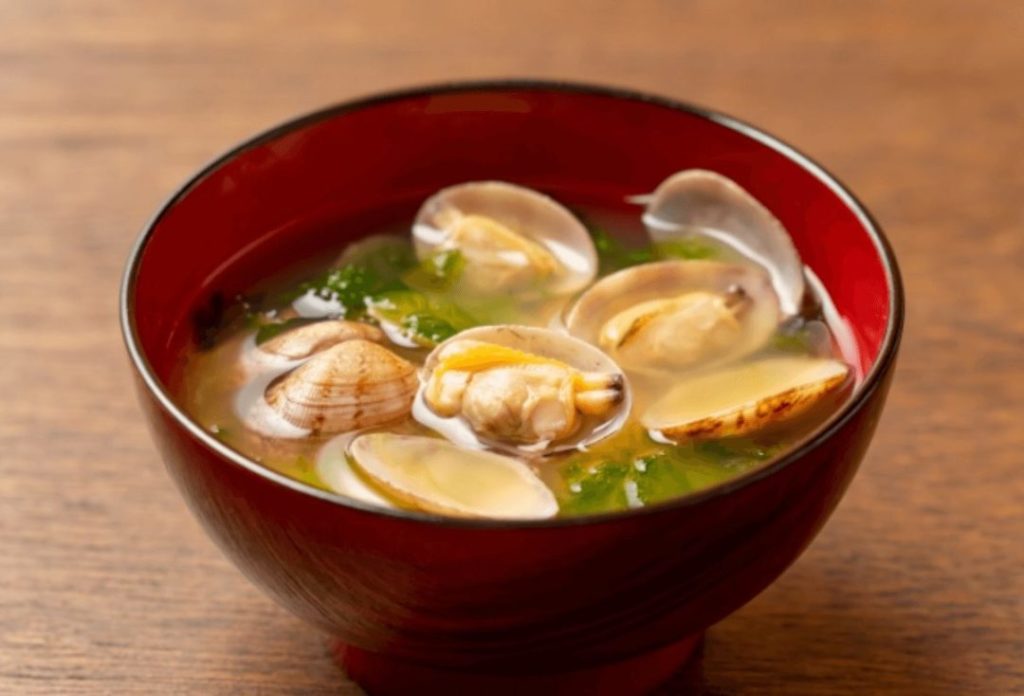
Miso soup with asari clam and Japanese freshwater clam is also delicious. You can enjoy the unique and rich extract from the shellfish.
Local Miso Soup
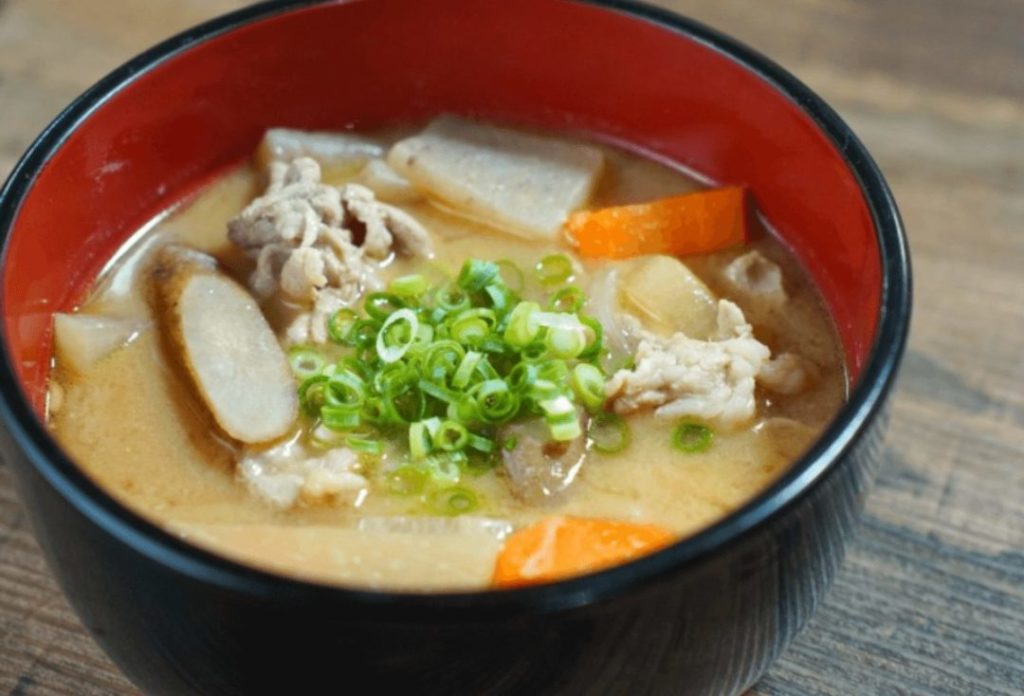
“Ton jiru” is well-known for its rich ingredients that can be served as a side dish. Ton means pork and jiru means soup. It contains pork, carrots, burdock root, potatoes, konjac (yam cake), and other ingredients. It is a very satisfying and nutritious miso soup.
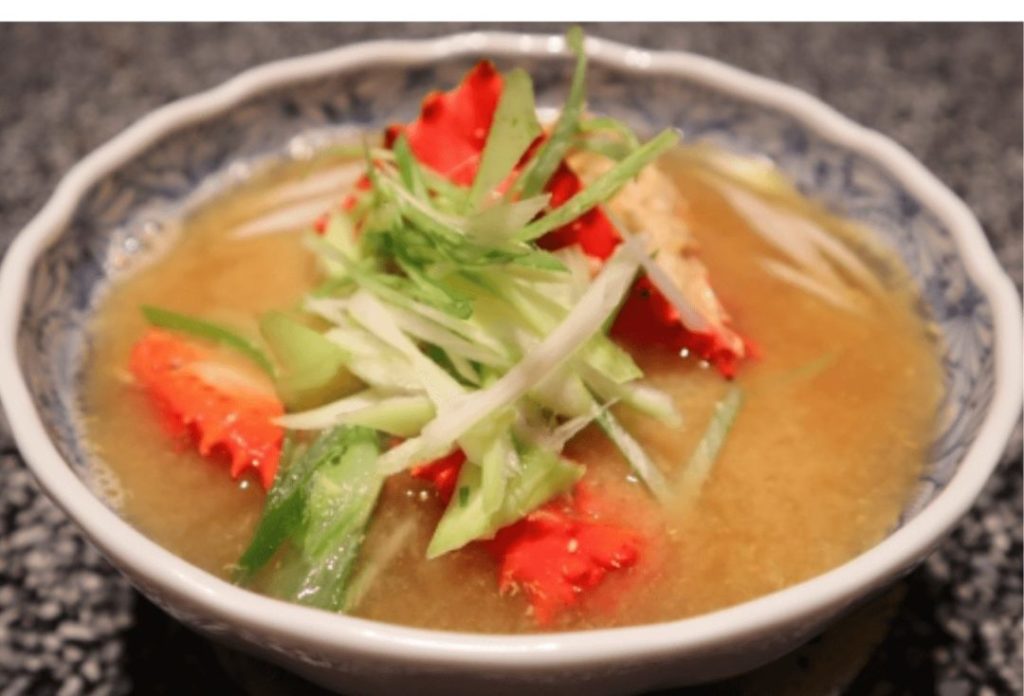
“Teppo jiru” is a Hokkaido specialty containing Hanasaki crab. Teppo means a rifle. It is said that the name Teppo jiru was derived from the way the crab is eaten by sticking chopsticks into its legs, which is similar to the way a rifle was loaded with bullets a long time ago.
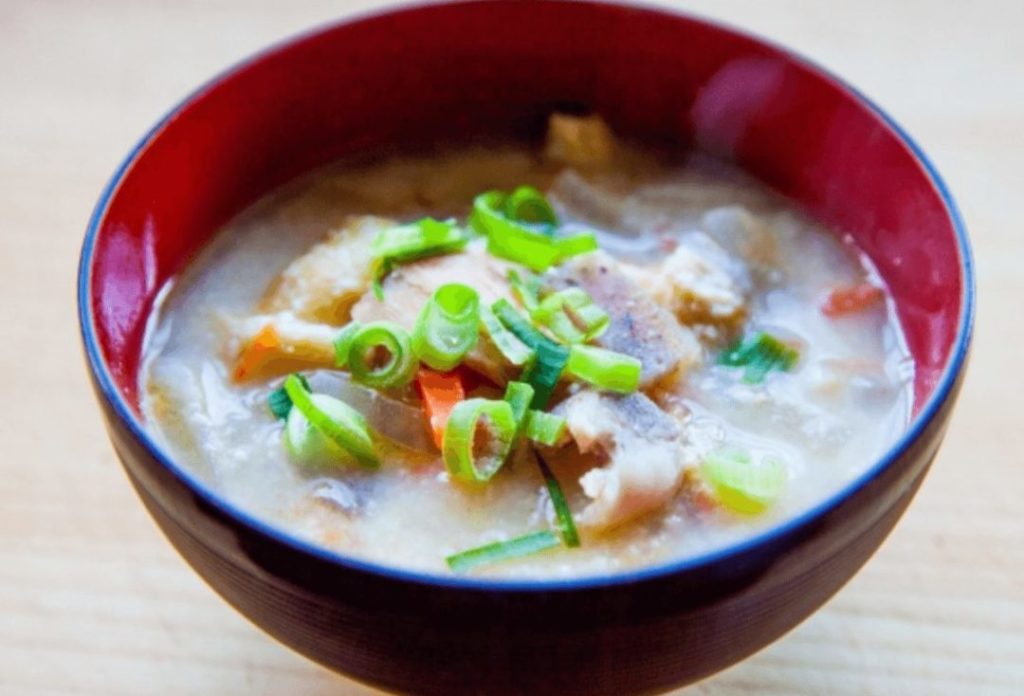
“Kasu jiru” is a miso soup with sake-kasu” (sake lees), and is most famous in the Kansai region such as Hyogo. Heads of salmon or yellowtail, carrots, burdock root, konjac, and other ingredients are often used.
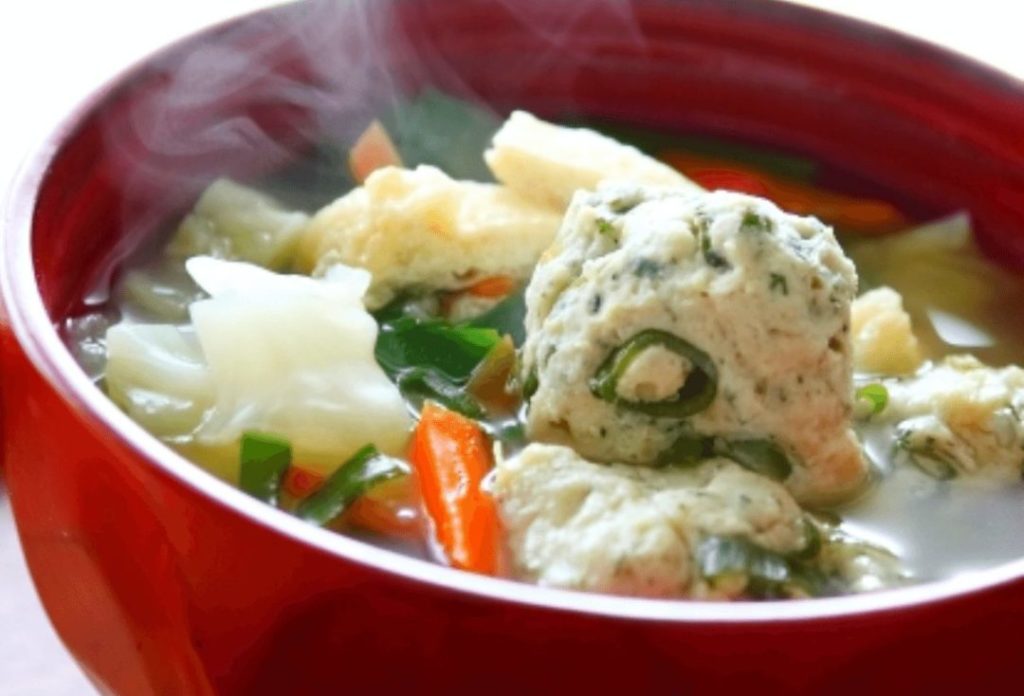
“Tsumire jiru” is made in many areas of Japan where there are fishing ports. Tsumire means fish balls. Typical one is sardine-tsumire jiru with carrots and daikon radish. In some regions, tsumire jiru is also made with saury-tsumire.
More Deep Stories on Miso Soup
Miso Soup Set Meal in Okinawa
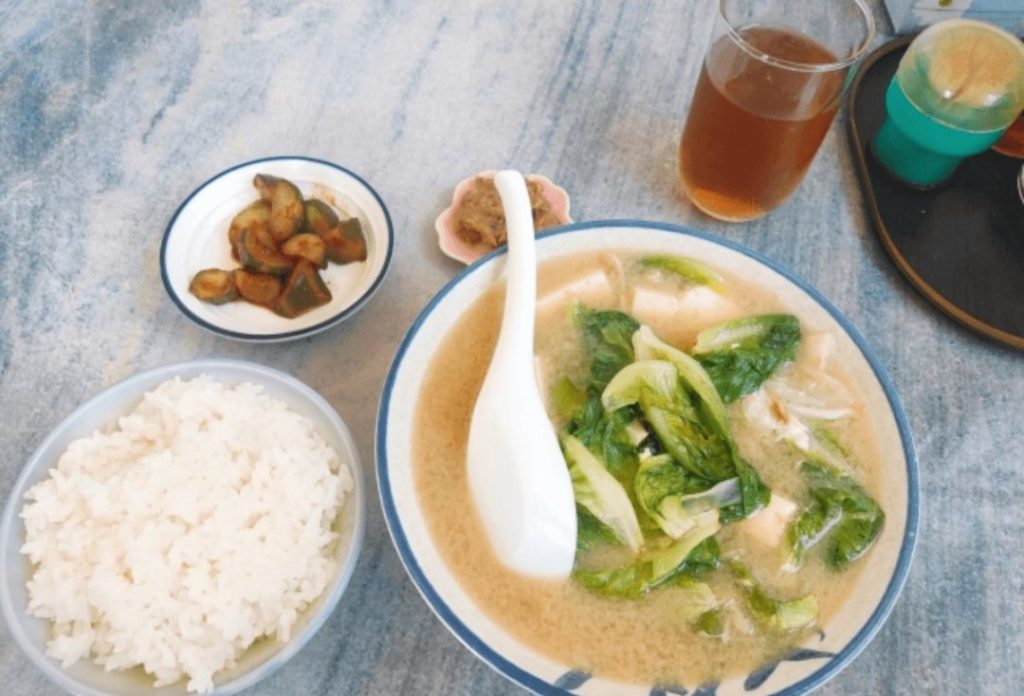
Miso soup in Okinawan miso jiru teishoku(miso soup set meal) is served in a large size and full of ingredients. It is Okinawan soul food, where miso soup plays the role of not merely soup but also side dish when eating cooked rice.
Miso soup is usually served in a wooden bowl that holds 150-200cc, but miso soup in the miso jiru teishoku is served in a large ceramic bowl, similar to eating ramen noodles.
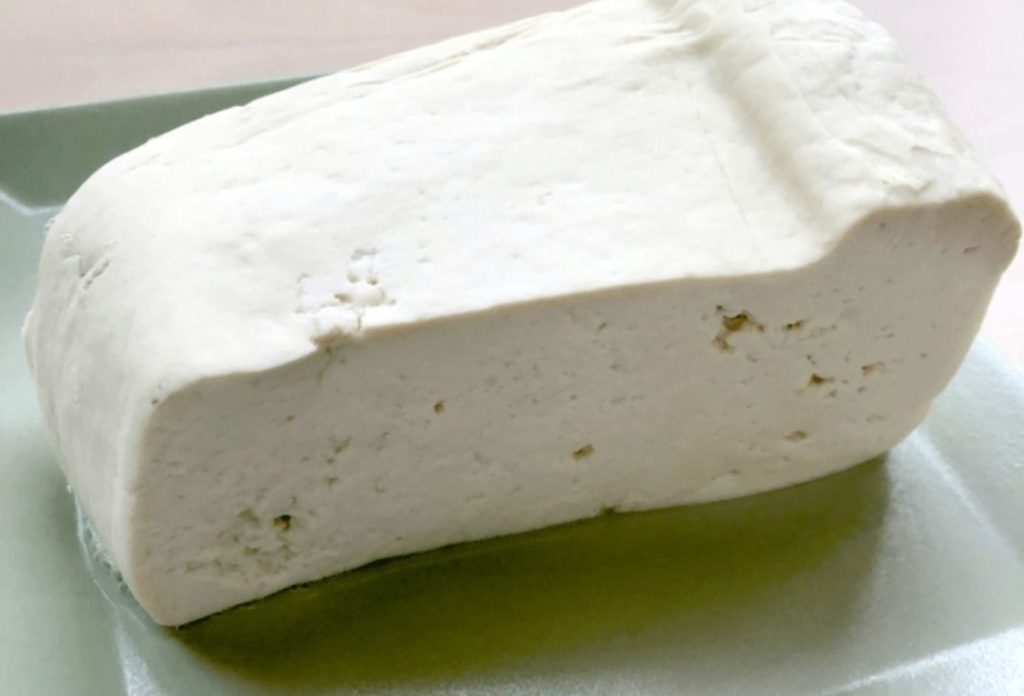
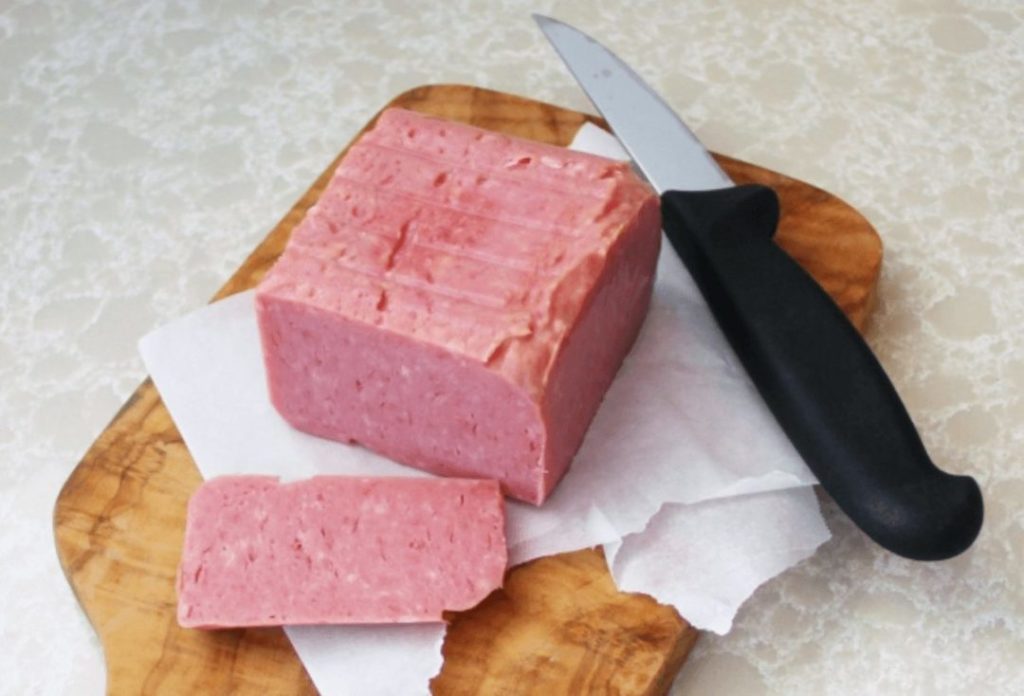
The ingredients vary from restaurant to restaurant, but often include is shima tofu (hard tofu made using a method unique to Okinawa) and luncheon meat (processed sausage-like meat made by cooking pork under heat and pressure with spices).
Miso Soup in Paris
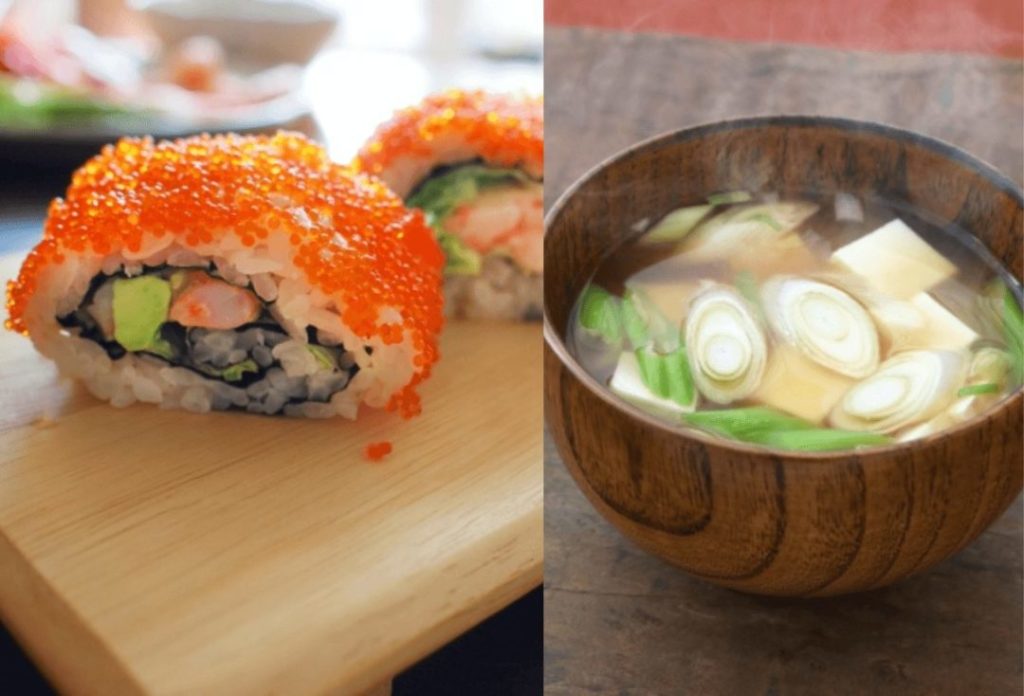
Japanese restaurants such as sushi restaurants and tonkatsu (pork cutlet) restaurants have been making inroads in Paris for the past 20 years. Since miso soup is served at many of these restaurants, it has become well known not only among Japanese living in Paris, but also among Parisians.
I recall a business trip to Paris once, when I saw a French friend of mine drinking miso soup before eating sushi at a sushi restaurant, which left a strange impression on me. For him, miso soup may have been positioned as something to drink at the beginning of a meal, in the same sense as western soup.
I think it is good that each country around the world has its own way of enjoying miso soup.That is a good example of internationalization of foods, and a very good thing for Japan.
Instant Miso Soup
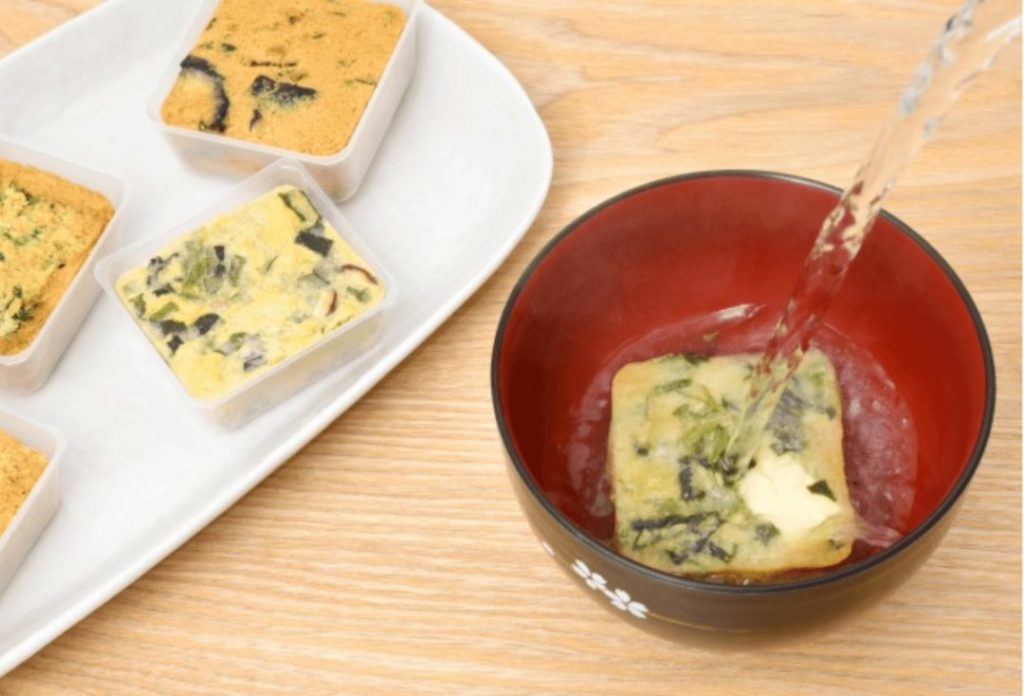
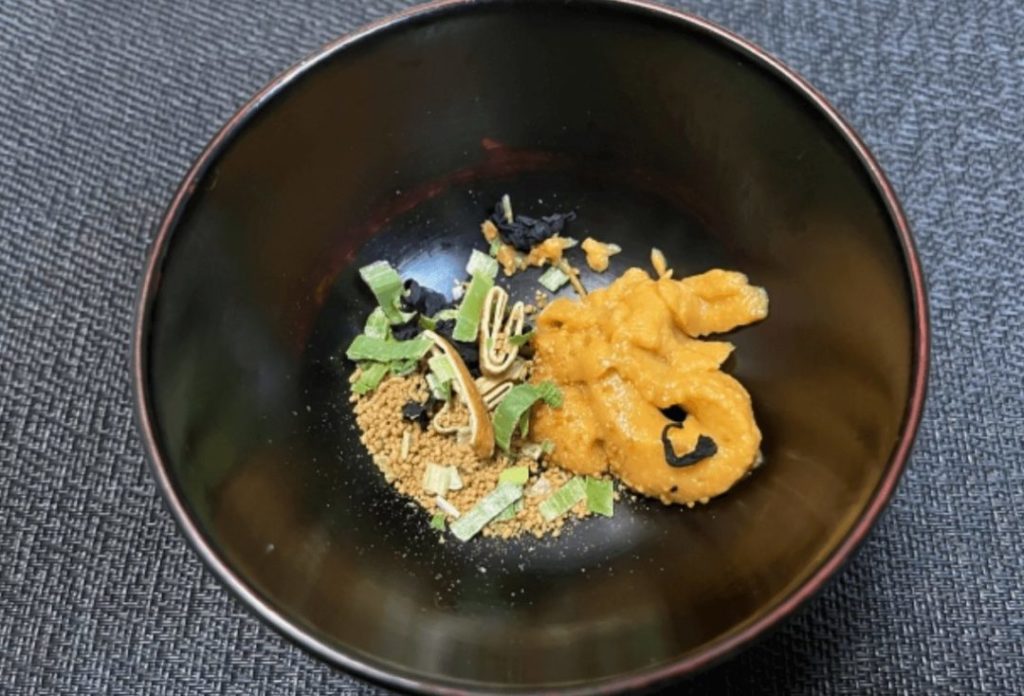
Recently, the quality of instant miso soup, which can be prepared simply by pouring boiling water into a bowl, has been on the rise. Instant miso soup itself has been around for quite some time, but the instant miso soup which is getting popular now is ones with very natural texture of eggplant, spinach, and other ingredients thanks to advances in freeze-drying technology.
Bottled Miso
At home, miso is usually purchased in 750g or 1Kg packs and used for miso soup. However, since it is difficult to use up all of the miso in a household where one person lives, miso is also sold in bottles of about 500g.
Many of the bottled miso products are liquid miso, which can be added directly after the ingredients have been cooked in the soup stock and dissolves quickly to make miso soup. If miso is not dissolved properly, it usually ends up as a lump in the soup, but with liquid miso, there is no need to worry about it remaining in the soup undissolved.


